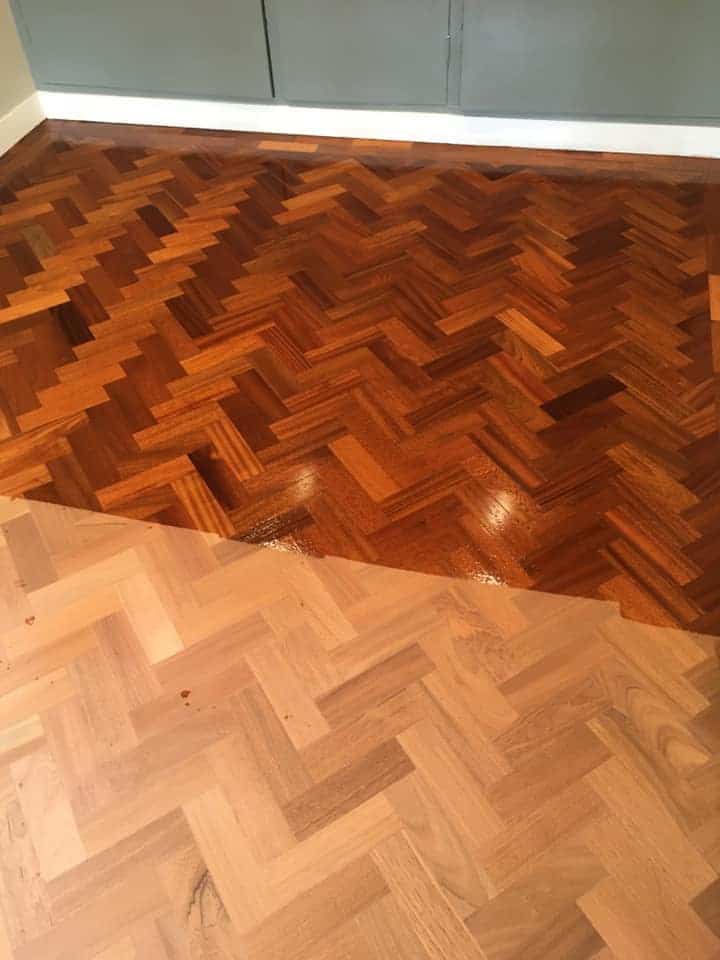
Floorboards are the foundation of any interior space, and when combined with professional wood floor restoration, they create a surface that is both practical and visually striking. In 2025, homeowners and businesses are focusing on long-lasting, sustainable flooring solutions that bring warmth, character and durability to every room.
This guide explores the different types of floorboards, where they work best, and how Sussex Floor Restoration can help restore any wooden floor to its full potential.
What Are Floorboards and Why Do They Matter?
Floorboards are timber planks that form the visible top layer of a floor structure. They’re more than just functional; they influence the look, feel and longevity of a space.
Choosing the right type of floorboard affects:
- Aesthetics – The grain, colour and width of planks
- Durability – The ability to withstand foot traffic and moisture
- Maintenance – How easily they can be repaired or restored
The right floorboards combine visual appeal with long-term performance.
Different Types of Floorboards Explained
There is no one-size-fits-all when it comes to floorboards. Each type offers unique benefits and considerations.
1. Solid Wood Floorboards
- Made from a single piece of timber.
- Renowned for strength, character, and the ability to be sanded multiple times.
- Perfect for living rooms, dining areas and heritage properties.
- Require proper maintenance but offer unmatched longevity.
2. Engineered Floorboards
- Constructed from multiple layers with a real wood veneer on top.
- More stable in humid conditions, making them ideal for kitchens and basements.
- Offer the appearance of solid wood but with better resistance to expansion and contraction.
3. Reclaimed or Rustic Floorboards
- Sourced from older buildings or naturally weathered timbers.
- Add character and eco-friendly credentials.
- Popular in feature spaces such as barn conversions or contemporary designs looking for texture.
4. Laminate Floorboards
- Composed of synthetic materials with a photographic layer mimicking wood.
- More budget-friendly and low-maintenance, but cannot be refinished like real wood.
- Good for areas where appearance is desired without the higher cost of hardwood.
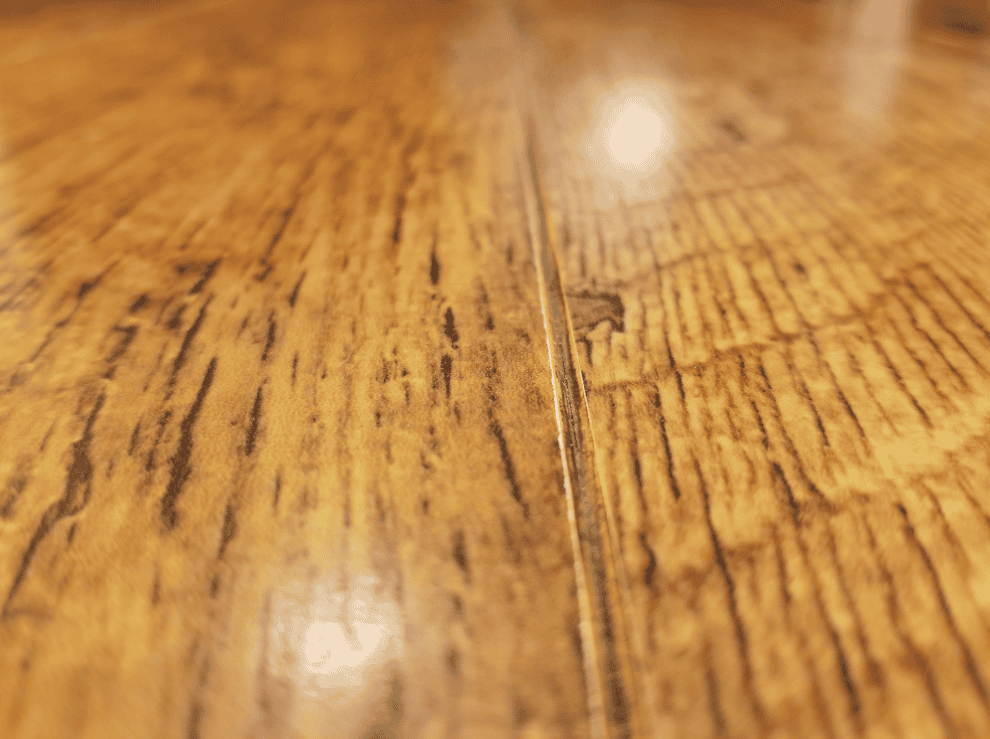
Where Different Floorboards Should Be Used
Choosing the correct type of floorboard is as much about practicality as aesthetics:
- High-Traffic Areas: Engineered wood or durable hardwood species like oak perform best.
- Moisture-Prone Areas: Kitchens or basements benefit from engineered boards due to their stability.
- Feature Rooms: Living areas or open-plan spaces are perfect for reclaimed or wide-plank floorboards to create a statement.
- Budget-Conscious Projects: Laminate offers an affordable option for guest rooms or rental properties.
Key takeaway: Each space has unique demands, so pairing the right board with the right location is essential.
Aesthetic and Practical Considerations
The beauty of floorboards is their versatility. Choices in finish, colour and width all change the look and feel:
- Wide Planks: Offer a modern, spacious aesthetic.
- Narrow Planks: Provide a traditional or detailed design.
- Light Finishes: Make rooms feel bigger and brighter.
- Dark Finishes: Create warmth and a premium feel.
From a practical perspective, think about the thickness of the wear layer, how often sanding may be needed, and how much foot traffic the space will see.
How Wood Floor Restoration Brings Floorboards Back to Life
Even the best floorboards experience wear over time; scratches, gaps, fading and unevenness are common. That’s where professional wood floor restoration comes in.
Our Wood Floor Restoration Process
- Assessment & Planning: We inspect your floor to understand its condition and requirements.
- Sanding: Using dust-controlled equipment, we remove surface imperfections, old finishes and stains.
- Repairs: Loose boards, gaps and minor damage are carefully addressed to ensure stability.
- Finishing: We apply high-quality oils, lacquers or stains to enhance appearance and durability.
- Aftercare Advice: Guidance to help you maintain your floor and extend its lifespan.
Bottom line: A professionally restored floor can look brand new and last for decades, enhancing property value and day-to-day living comfort.
Why Choose Sussex Floor Restoration?
- Specialist Knowledge: Experts in all types of timber flooring, including intricate parquet designs.
- High-Quality Tools: Dust-free sanding and precision finishing.
- Attention to Detail: Every project is delivered to exacting standards.
- Trusted by Homeowners & Businesses: A reputation built on reliability and customer satisfaction.
Restore Your Floorboards Today
Whether you have traditional hardwood, reclaimed timber, or modern engineered boards, Sussex Floor Restoration is here to deliver expert wood floor restoration.
Visit our wood floor sanding page or call 01444 810505 to book your consultation today.
Are you looking for more great insights into our work, getting the best out of floors? You may like this blog on Floor Refinishing.
FAQs
What are the main types of floorboards?
The main types of floorboards include solid wood, engineered wood, laminate, and reclaimed timber. Each offers unique benefits: solid wood for longevity, engineered for moisture resistance, laminate for affordability, and reclaimed boards for character and sustainability.
How do I know if my floorboards need restoration?
Signs your floorboards need restoration include scratches, gaps, dull finishes, loose planks, or uneven surfaces. If your floor looks worn or creaks excessively, professional wood floor restoration can restore its strength and appearance.
Can engineered floorboards be sanded and restored?
Yes, engineered floorboards can often be sanded and restored, depending on the thickness of their top wood layer. A professional assessment ensures safe sanding and the right finishing approach for long-lasting results.
How often should wooden floorboards be sanded?
Most wooden floorboards benefit from sanding every 7–10 years, depending on traffic and wear. High-traffic areas may require more frequent maintenance, while rooms with lighter use can last longer between restorations.
Why choose professional wood floor restoration over DIY?
Professional wood floor restoration provides a dust-controlled process, expert repairs, and high-quality finishes. This ensures an even surface, extended floor lifespan, and an aesthetic upgrade that DIY methods often can’t match.