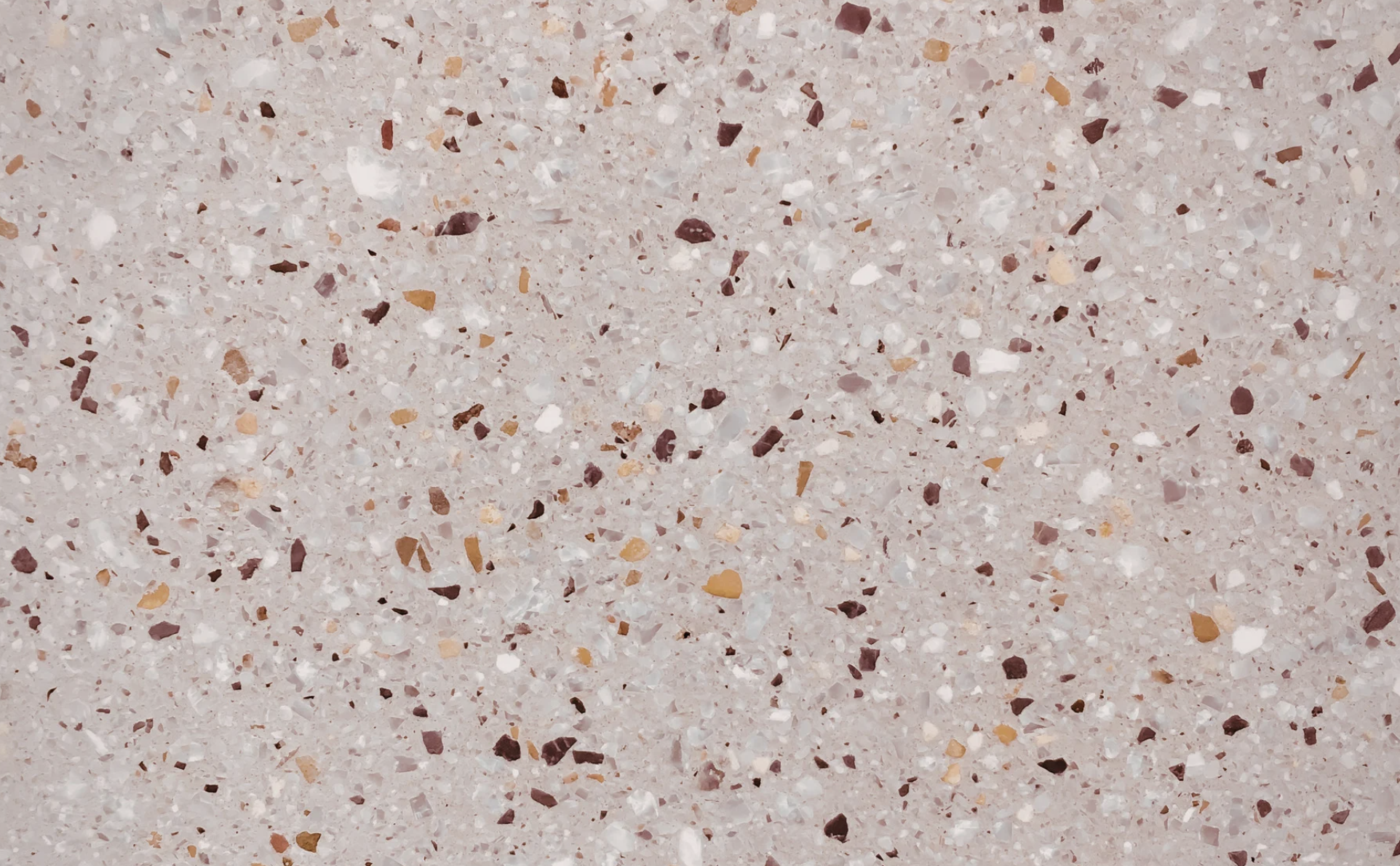
Terrazzo floor polishing and Stone floor restoration often sit side by side in the same property, but they are not the same job. Terrazzo floors are a composite surface, typically marble or stone chips held in a cement or resin binder, so please note they are not technically natural stone, even though they can look similar once polished.
Quick Answers For Terrazzo Floor Polishing
Most dull terrazzo floors need deep cleaning first, because traffic film and old coating residue mask the true finish. Polishing terrazzo works when the surface is structurally sound and the wear is in the top layer, not through the binder. If staining has penetrated, or the floor has open pinholes, we clean and seal before we chase shine.
Takeaway: the fastest route to a better floor is choosing the correct process, not the strongest cleaning products.
What Makes Terrazzo Different From Natural Stone
Is Terrazzo A Type Of Stone?
Terrazzo contains stone, but it is not a single stone slab or tile. The binder behaves differently to marble, limestone or slate, which changes how we clean, polish and protect the floor.
What Terrazzo Is Made From
A typical terrazzo surface includes chips (often marble) set into a cementitious or resin base. That base can react to chemistry and moisture very differently to the chips, which is why a generic stone floor cleaner can cause unexpected dullness.
Why That Matters For Polishing
Terrazzo polishing is about controlling abrasion so you level the binder and chips together. If you cut too aggressively, you can open pinholes and expose more binder than you intended, which then affects how the floor takes sealing.
Takeaway: terrazzo needs a balanced cut, because you are polishing two materials at once.
Where Terrazzo And Stone Restoration Overlap
Deep Cleaning Before Any Polishing
Whether we are working on terrazzo floors or natural stone, deep cleaning is the gatekeeper step. Dirt does not sit politely on the surface of the stone or terrazzo. It embeds, especially in entrances and kitchens with heavy foot traffic.
What We Remove And Why
We target the layers that stop a floor from responding to polishing and sealing:
- Traffic film that makes the floor look grey
- Grease and dirt around cooking zones and thresholds
- Old sealers that have worn unevenly
- Ground-in grit that accelerates wear and tear
Cleaning Products We Avoid
Some off the shelf cleaning products are too harsh for terrazzo binders or leave residues that streak after polishing. We also avoid acids unless a controlled treatment is genuinely required, because they can attack cement binders and create a flat, chalky look.
Takeaway: floor cleaning is not about strength, it is about compatibility with the floor type.
Where The Processes Split
Polishing Terrazzo Vs Polishing Natural Stone
Stone cleaning and polishing typically focuses on one mineral surface. Terrazzo adds the binder variable, so we adjust pad choice, dwell time and slurry control.
Abrasive Choice And Heat Control
Terrazzo can haze if heat builds during polishing. We manage speed, pressure and water use to keep the surface consistent, then refine through the grit sequence so the finish reads even in raking light.
Sealer Strategy
On many natural stone floors, impregnator sealers are a straightforward choice for protection without a surface film. On terrazzo, the right approach depends on porosity and slip requirements. Sometimes an impregnator is ideal, sometimes a maintainable surface system is better if the environment demands regular maintenance and easy refresh.
Takeaway: sealing is not an add-on, it is the protection plan for the finish you have paid for.
Table: Terrazzo Polishing Vs Stone Floor Restoration
Our Terrazzo Restoration Method
We treat terrazzo as its own category, then borrow proven principles from Stone floor restoration where they genuinely apply. The workflow stays tight, because terrazzo rewards precision.
- Identify the floor type: cementitious vs resin based terrazzo, plus existing coatings
- Deep cleaning: targeted stone cleaning methods adapted for terrazzo chemistry
- Test polish window: choose pads and grit sandpaper equivalents for the cut we need
- Progressive refinement: move through a controlled grit ladder to build clarity
- Polishing terrazzo to the agreed sheen: satin, semi-gloss or high gloss
- Polishing and sealing: apply the right protection for the environment and foot traffic
Insight: in many real-world jobs, the “dull terrazzo” complaint is mostly a cleaning problem. Once we strip residues and reset the surface, polishing effort drops and results become more predictable.
What To Do Between Visits
Regular cleaning keeps the finish stable, but it must support the system we have put down. These are the do’s and don’ts we give clients who want the floor to stay crisp.
- Use a neutral stone floor cleaner or approved cleaner for terrazzo, diluted correctly
- Dry dust mop frequently to remove grit that causes micro-scratching
- Deal with spills early, especially oils and acidic foods
- Avoid bleach, vinegar and harsh degreasers unless we have specified them
- Book periodic top-up maintenance in high foot traffic areas
Takeaway: the right regular cleaning routine can extend the time between full restorations.
Speak To A Specialist
Terrazzo is often treated like stone, then cleaned like tile, then “polished” like marble. That is how floors end up uneven, hazy, or slippery. If you want a high quality result that lasts, the process has to match the surface.
For expert Terrazzo floor polishing and Stone floor restoration, visit our Stone Floor Restoration page or call 01444 810505.
If you found this useful, you might also like our latest blog: Floor Sanding Specialists – A Floor Renovation Company You Can Trust.
FAQs
What is terrazzo flooring made of, and is it natural stone?
Terrazzo is a composite floor made from stone or marble chips bound in cement or resin. It can look like natural stone, but it is not technically stone because the binder is a separate material that affects how it’s cleaned, polished, and sealed.
How often should terrazzo floors be polished?
Most terrazzo floors benefit from polishing every 1–3 years, depending on foot traffic and regular maintenance. Busy commercial areas may need more frequent polishing and sealing to keep the surface looking even and to protect the floor from wear.
What’s the best way to clean terrazzo floors day to day?
Use regular cleaning with a pH-neutral cleaner and a microfibre mop, then rinse with clean water if needed. Avoid acidic cleaners and harsh degreasers, which can dull the binder and leave residues that make terrazzo look hazy.
Can terrazzo floor polishing remove dull patches and haze?
Yes, terrazzo floor polishing can remove haze and dull areas when the issue is surface wear or residue. If the floor has pinholes, ingrained staining, or a failing sealer, it often needs deep cleaning and sealing before polishing delivers a consistent finish.
Is stone floor restoration the same as terrazzo restoration?
No. Stone floor restoration focuses on a single mineral surface like limestone or marble. Terrazzo restoration must account for both the stone chips and the binder, which changes the polishing approach and the sealing strategy.
What causes terrazzo floors to look grey or dirty even after mopping?
A grey look is usually traffic film, grease and dirt build-up, or residue from cleaning products. Terrazzo can also trap soil in micro-texture and pinholes. A professional deep clean removes the embedded layer that normal mopping leaves behind.
Can I use vinegar or bleach on terrazzo floors?
No. Vinegar is acidic and can etch cementitious binders, while bleach can discolour and weaken certain sealers. Use a neutral cleaner designed for terrazzo or approved stone cleaning products that won’t damage the surface.
What’s the difference between sealing and polishing terrazzo?
Polishing refines and smooths the surface to improve clarity and sheen. Sealing protects the floor against staining and wear by reducing absorption. Many floors need both polishing and sealing to keep the finish stable in high foot traffic areas.
Do terrazzo floors need special cleaning products compared with stone?
Often, yes. Some products that work on natural stone can haze or dull terrazzo binders, especially cement-based terrazzo. The safest approach is a pH-neutral cleaner chosen for terrazzo, then a sealing plan that suits the environment.
How long does terrazzo floor restoration take?
Many terrazzo restorations take 1–3 days depending on condition, area size, drying times, and whether sealing is required. Floors with heavy build-up or uneven wear may need additional stages to achieve a uniform, high quality finish.
Updated January 2026