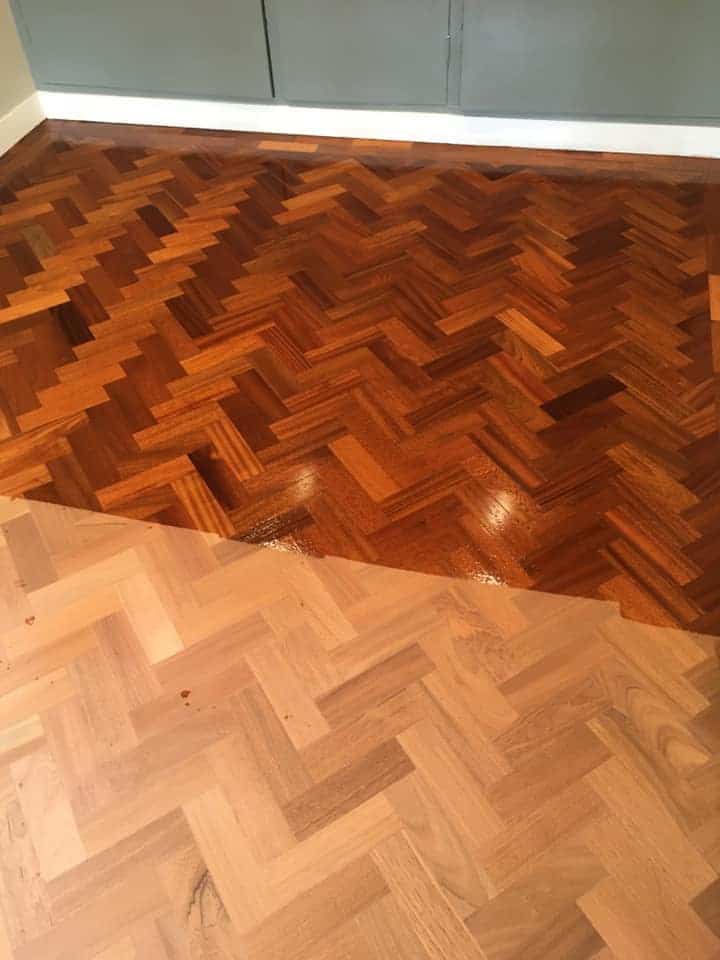
If you are wondering how to restore original hardwood floors, the honest answer is that it depends on the age, condition and previous treatment of the timber. Original floors are often full of character, but they can also hide old finishes, uneven wear, damaged boards, stains and years of built-up grime. The goal is not to make them look brand new in a flat, lifeless way. It is to revive wood floors properly, protect the timber and bring back the natural beauty that made them worth saving in the first place.
Quick Summary
Original hardwood floors can usually be restored through careful inspection, sanding, repairs, staining and finishing. The right restoration process depends on the timber, the depth of damage, previous coatings and how the room is used. We focus on preserving character while creating a durable floor finish that can handle everyday life for the long term.
Why Original Hardwood Floors Are Worth Restoring
Original hardwood floors have something that modern flooring often tries very hard to imitate. They have depth, grain variation, age, movement and a sense of belonging to the property. That is why ripping them out is rarely the first answer.
In many homes, the timber itself is still sound, even when the surface looks tired. The dullness, scratches, uneven colour and worn patches are often sitting in the top layer of the finish rather than deep in the wood. With proper wood floor restoration, we can often remove the tired surface and reveal a floor that still has plenty of life left in it.
The key is knowing when to be gentle and when the floor needs more involved work. Older floors do not always respond well to heavy-handed sanding, aggressive products or guesswork. This is where experience matters.
What Makes Original Floors Look Tired?
Most original floors do not suddenly fail. They slowly lose their finish over years of use. High traffic areas, furniture movement, sunlight, old rugs, pets, shoes and cleaning products all play their part.
Common signs include:
- Dull or flat-looking boards
- Grey or pale patches near windows
- Dark staining around doorways or fireplaces
- Scratches across walkways
- Uneven colour where furniture or rugs have been moved
- A floor finish that no longer repels water properly
- Boards that feel rough or dry underfoot
Some of these issues are cosmetic. Others suggest the timber is exposed and needs proper protection again. The sooner the floor is assessed, the more options we usually have.
Our Restoration Process for Original Hardwood Floors
Every floor is different, but the restoration process usually follows a clear path. We do not believe in rushing straight into sanding without understanding what we are working with first.
How We Assess the Floor Before Starting
We look at the type of timber, the board condition, the existing finish, any deep scratches, stains, loose boards and signs of previous sanding. This tells us how much work the floor can safely take and what result is realistic.
Why Previous Sanding Matters
Original hardwood floors can only be sanded a certain number of times. If the floor has been sanded heavily before, we need to be more careful with the top layer. This is one of the reasons professional assessment matters before trying to restore wood floors yourself.
A typical restoration may include:
- Inspecting the boards and existing coating
- Carrying out local repairs where needed
- Sanding the floor with controlled, professional equipment
- Removing dust as thoroughly as possible
- Applying stain and finish if a colour change is required
- Sealing the timber with a suitable protective coating
- Advising on aftercare so the finish lasts
Our sanding process is designed to be 98% dust free, which makes the work cleaner, more controlled and much more manageable inside lived-in homes.
Should You Stain Original Hardwood Floors?
Stain can be a brilliant way to enhance an original floor, but it should be used carefully. Some floors look best when they are kept close to their natural tone. Others benefit from a warmer, richer or slightly deeper colour.
The decision often depends on the property, the timber species and the level of colour variation across the boards. A good stain and finish can help even out tone, but it should not be used to hide poor preparation. If the sanding is not right, the stain will usually show it.
| Floor Condition | Likely Approach | Expected Result |
| Light surface wear | Light sanding and fresh finish | Cleaner, brighter, more protected timber |
| Heavy traffic marks | Deeper sanding and refinishing | More consistent colour and smoother surface |
| Sun-bleached areas | Careful sanding, possible stain | Better balance between faded and covered areas |
| Old dark coating | Full removal and new finish | More natural appearance and improved protection |
| Deep stains | Assessment before sanding | Improvement likely, full removal not always guaranteed |
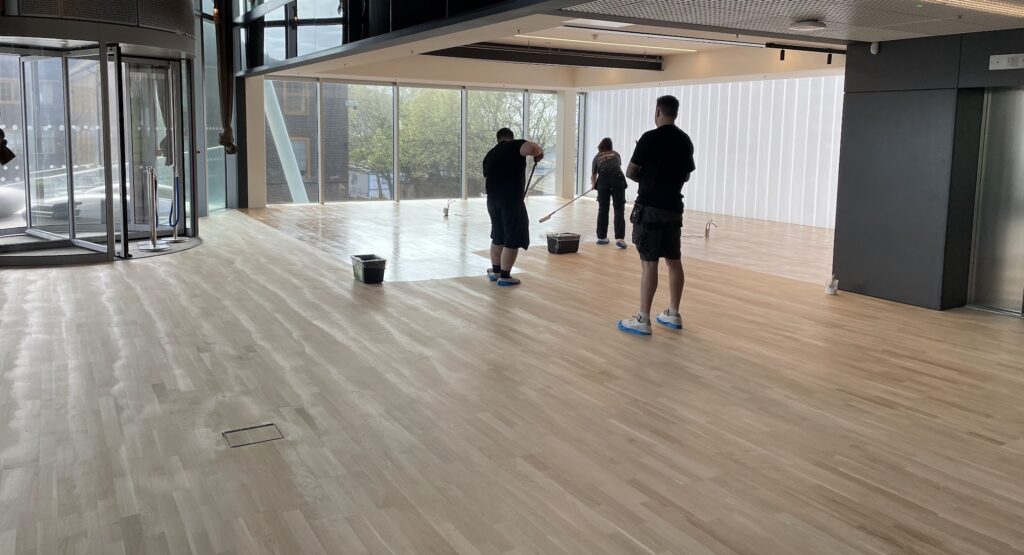
Can You Fully Revive Wood Floors That Look Patchy?
In many cases, yes. Patchiness is often caused by uneven exposure. Furniture, rugs and sunlight can all make one part of a floor age differently from another. Once the room layout changes, the contrast becomes obvious.
Restoration can often return the floor to a much more consistent appearance, but it is important to be realistic. Timber is a natural material, and original boards will always have some variation. We see that as part of the charm rather than a flaw.
Our job is to make the floor feel intentional again. Clean, balanced, properly finished and suited to the room.
Choosing the Right Floor Finish for the Long Term
The final finish is what protects the work underneath. For busy homes, hallways and family spaces, durability matters just as much as appearance. A finish needs to handle foot traffic, cleaning, spills and daily use without making the floor look plastic or overdone.
We help choose the right option based on how the room is used. A calm bedroom floor has different demands from a hallway, kitchen or open-plan living space. Getting this part right makes a major difference to the long term result.
Good aftercare also matters. Using the right cleaning products, avoiding harsh chemicals, adding felt pads to furniture and dealing with spills quickly will help the floor keep its finish for longer.
Why Professional Restoration Makes a Difference
Original floors are not something to experiment on casually. Once too much timber is removed, it cannot be put back. Once the wrong coating reacts with an old finish, the job can become more complicated than it needed to be.
We at Sussex Floor Restoration work with original hardwood floors regularly, so we understand the balance between improving the surface and respecting the age of the floor. The best results come from careful preparation, the right machinery, proper finishing systems and a realistic plan from the start.
A restored original floor should still feel like it belongs to the home. It should look cleaner, stronger and more refined, but not stripped of its character.
Bringing Original Hardwood Floors Back to Life
Learning how to restore original hardwood floors starts with understanding what the floor needs, not forcing it into a one-size-fits-all process. Some floors need light sanding and a fresh finish. Others need repairs, colour balancing and a more detailed restoration process.
When done properly, wood floor restoration can completely change how a room feels. The timber looks richer, the surface becomes easier to maintain, and the floor becomes a feature again rather than something you work around.
If your original hardwood floor looks dull, patchy or worn, it may not need replacing. It may just need the right restoration, the right finish and a bit of proper care from people who know what they are looking at.
If you liked this, you may also like: Wood Gym Floor Care and Hardwood Floor Restoration
Frequently Asked Questions About How to Restore Original Hardwood Floors
Can original hardwood floors be restored?
Yes, original hardwood floors can often be restored if the timber is still structurally sound. Surface scratches, dullness, old coatings, patchy colour and worn finishes can usually be improved through sanding, refinishing and careful repair work.
How do I know if my hardwood floor is worth restoring?
Your floor is usually worth restoring if the boards are stable, not badly rotten, and still have enough timber left to sand safely. Even tired, dull or heavily marked floors can often be brought back to life with the right restoration process.
How do you restore original hardwood floors?
The process usually starts with assessing the floor, checking for damage, sanding back the worn surface, carrying out repairs where needed, then applying the right stain and finish. The exact approach depends on the floor’s age, condition, previous treatments and how the room is used.
Can you revive wood floors without replacing them?
Yes, many wood floors can be revived without replacement. If the damage is mainly on the surface of the floor, restoration can remove worn finishes, smooth out scratches and protect the timber with a new floor finish.
Will sanding remove all stains from hardwood floors?
Sanding can remove or reduce many surface stains, but deep stains are not always guaranteed to disappear completely. Marks from water, pets, old fireplaces, metal fixings or long-term moisture may have soaked into the timber, so we always assess them before setting expectations.
Why do my original wood floors look patchy?
Patchy wood floors are often caused by sunlight, furniture, rugs, old finishes or uneven wear in high traffic areas. When parts of the floor have been covered for years and other areas have been exposed, the timber can age at different rates.
Can hardwood floors be stained a different colour?
Yes, hardwood floors can often be stained a different colour after sanding, but the final result depends on the timber species, grain, age and condition of the boards. We usually recommend choosing a stain that works with the natural beauty of the wood rather than trying to completely disguise it.
How long does wood floor restoration take?
The timescale depends on the size of the area, the condition of the floor and the type of finish being applied. Your quote should give a clear estimate, but the team on site can usually give the most accurate idea once the restoration work is underway.
Is restoring original hardwood floors messy?
Professional wood floor restoration is much cleaner than many people expect. Our sanding process is designed to be 98% dust free, which helps keep disruption down and makes the work more manageable inside homes and commercial spaces.
How do I look after restored hardwood floors?
Once your floor has been restored, use suitable wood floor cleaning products, avoid soaking the surface, clean up spills quickly and use felt pads under furniture legs. Good aftercare helps protect the finish and keeps the floor looking better for the long term.