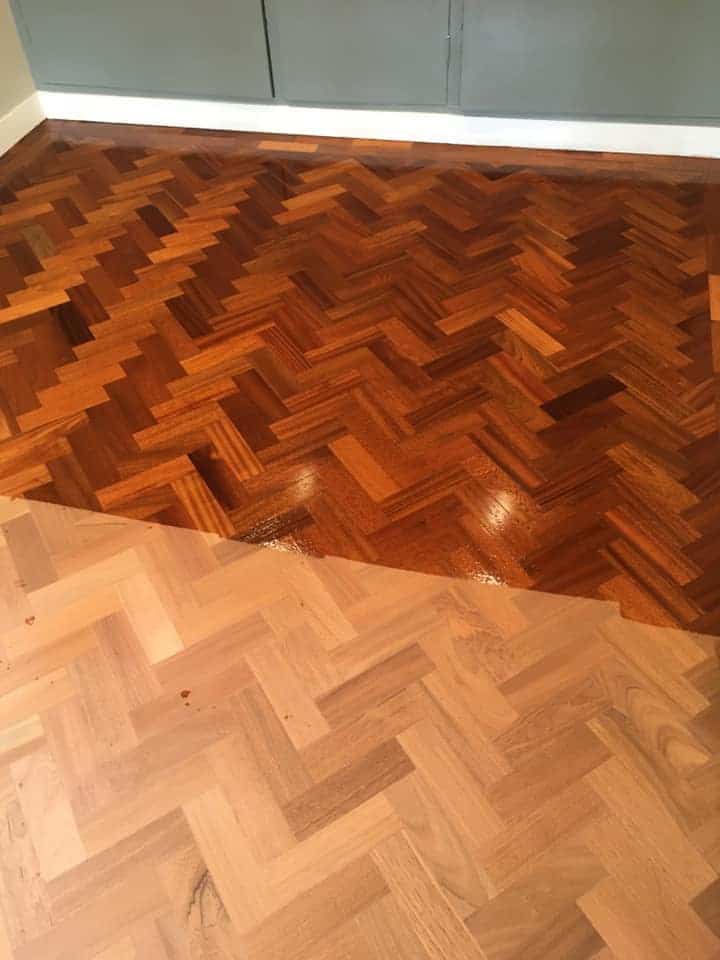
Sanding an engineered wood floor can bring tired flooring back to life, but it needs more care than sanding solid timber. Engineered hardwood flooring has a real wood surface bonded to multiple layers beneath, so the visible top layer is the part that matters most. Sand too deeply and you can go through the wear layer, which can permanently damage the board. This guide explains what to check, when sanding is suitable and how to restore engineered floors safely.
Quick Summary
Engineered floors can often be sanded and refinished, but only when the real wood wear layer is thick enough. The key checks are wear layer thickness, previous sanding history, scratch depth, floor stability and the existing finish. A careful inspection helps avoid over-sanding and supports a clean, professional finish.
What Makes Engineered Hardwood Flooring Different?
Engineered hardwood flooring is made with a real wood top layer supported by multiple layers underneath. The lower layers add stability, while the surface gives the floor its colour, grain and character. This makes engineered floors popular in modern homes, but it also means the floor is only as restorable as its top layer allows.
Unlike solid wood flooring, where the board is timber all the way through, engineered flooring is built in sections. The top layer is the part you see, walk on and refinish. The layers beneath help the board cope better with changes in temperature and humidity, which is why engineered floors are often used in kitchens, hallways, extensions and modern living spaces.
That layered structure is useful, but it also means sanding needs to be approached carefully. The goal is to restore the real wood surface without sanding through it.
Can You Sand an Engineered Wood Floor?
Yes, you can sand many engineered wood floors, but you need to know what you are working with first. Some high quality engineered floors have a thick enough wear layer for sanding and refinishing. Others have a thin veneer, which may only cope with a light surface refresh.
Before any sanding starts, we would normally assess:
- Wear layer thickness
- Previous sanding or refinishing
- Scratches, dents and worn finish
- Loose boards, gaps or movement
- Stains, water marks or grey areas
The aim is to improve the surface without taking away more timber than necessary. That matters because engineered floors do not always give you much room for error. A floor that looks like thick timber from above may have a very shallow top layer once you inspect it properly.
How Wear Layer Thickness Affects Sanding
Wear layer thickness is the biggest factor in deciding whether sanding is safe. The thicker the real wood layer, the more scope there is to restore the floor properly.
| Approximate Wear Layer | What It Usually Means | Restoration Potential |
| Under 1mm | Very thin veneer | Usually unsuitable for sanding |
| 1mm to 2mm | Limited surface | Light abrasion may be possible |
| 2mm to 3mm | Moderate wear layer | Often suitable for careful sanding |
| 4mm plus | Thicker engineered surface | Better suited to sanding and refinishing |
These figures are a guide. Board quality, previous work and uneven wear can all affect what is possible. A floor may also have more wear in doorways, kitchens and walkways than it does under furniture or rugs.
Why a Light Sand is Often the Better Option
With engineered floors, controlled sanding is usually better than heavy stripping. A light sand can remove worn finish, light scratches and dull patches while protecting the top layer.
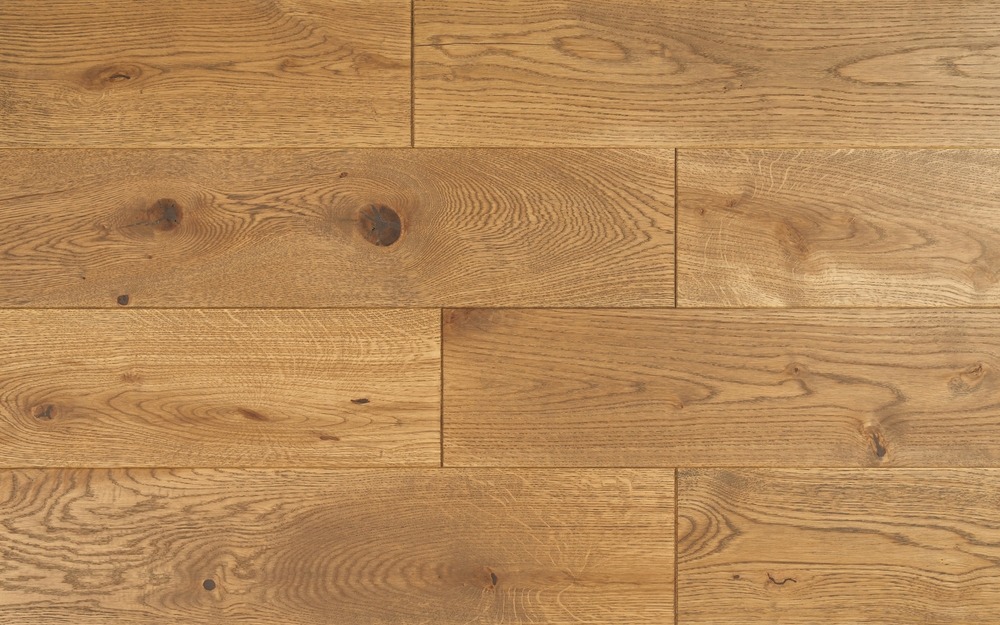
Once the surface is smooth, a suitable oil or lacquer can be applied. This improves the wood grain and gives the floor better protection against everyday wear and tear.
A lighter approach can still make a big visual difference. Many engineered floors do not need to be aggressively sanded back. They need the damaged finish removed, the surface evened out and the wood properly protected again.
When Sanding and Refinishing Makes Sense
Sanding and refinishing is worth considering for surface damage. That could mean dull walkways, small scratches, scuffed areas, patchy finish or general fading from normal use.
It can also help when areas have aged unevenly. Doorways, kitchens, hallways and seating areas often wear faster than sections under rugs or furniture. Restoration can make the floor look more consistent without losing the natural character of the timber.
A typical professional process looks like this:
- Inspect the floor and confirm the type of engineered board.
- Check whether the wear layer is thick enough for sanding.
- Choose a careful sanding approach and suitable grit sequence.
- Sand the surface and detail the edges.
- Apply the chosen oil or lacquer.
- Explain aftercare so the finish lasts as long as possible.
At Sussex Floor Restoration, we use professional sanding equipment and a 98% dust-free process, which helps keep the work cleaner and more controlled.
It’s important to note, however, that whilst we can try to ascertain the thickness of the engineered boards, it is not always possible. It is therefore important that we are given the most accurate history of the boards, such as whether they’ve been sanded in the past, as the emphasis is on the customer to ensure there is enough thickness to sand down before restoration.
When Sanding May Not Be the Right Answer
Some engineered floors are too thin, damaged or unstable to sand safely. Deep dents, water damage, black staining, lifting boards or a shallow top layer can all limit the result.
This is where honest advice matters. If sanding risks exposing the layers beneath the real wood surface, a lighter clean and recoat may be safer. In some cases, certain marks may need to remain because removing them would take away too much of the wear layer.
It is also worth being realistic about what sanding can achieve. Sanding can improve scratches, dullness, worn finish and some staining, but it cannot rebuild missing timber or reverse damage that has gone through the top layer. A proper assessment helps set the right expectations before work begins.
Is Sanding an Engineered Wood Floor Worth It?
Sanding an engineered wood floor is worth it when the wear layer thickness, floor condition and expected finish all line up properly. A good engineered floor can often be brought back from dull and worn to clean, smooth and much more refined.
The safest approach is to start with the least aggressive method that will achieve the right result. That may be a light sand, a screen and recoat, or a fuller sanding and refinishing process when the floor allows it. DIY sanding can be risky because hire machines can leave dips, uneven patches or sanding marks, especially on thinner boards.
Engineered hardwood flooring can be high quality and long lasting, but it needs the right restoration method. If you are unsure whether your floor can be sanded, we can assess it properly and talk you through the safest options.
For advice about sanding an engineered wood floor, contact Sussex Floor Restoration on 01444 810505 or email info@sussexfloorrestoration.co.uk.
If you liked this, you may also like: Different Types of Commercial Wood Flooring
Frequently Asked Questions About Sanding an Engineered Wood Floor: What You Need to Know First
Most engineered wood floors take around one to three days to sand and refinish, depending on the room size, floor condition and chosen finish. Oil finishes can often be quicker to apply, while some lacquers need more drying time between coats.
Yes, engineered wood flooring with underfloor heating can sometimes be sanded, but the heating should usually be turned down or off before work begins. The floor also needs to be stable, dry and properly acclimatised before any sanding or finishing takes place.
Signs include slightly lower boards near thresholds, reduced bevel edges, uneven plank thickness or old sanding marks. If the floor has already been sanded heavily, there may be less real wood left to work with.
Light scratches in the finish can often be improved with sanding, buffing or recoating. Deeper scratches that cut into the real wood surface may improve, but complete removal depends on how much usable wear layer is available.
The best finish depends on the look and level of protection you want. Lacquer gives a more sealed surface and is often easier for busy homes, while oil gives a more natural appearance and can be easier to spot-maintain over time.
Some light water marks can be reduced through sanding and refinishing. Dark or black stains can be harder to remove because they may have reacted with the timber or travelled deeper into the board.
Oil is good if you want a softer, natural look that enhances the grain. Lacquer is a good choice if you want a tougher surface coating for family homes, pets, hallways or areas with regular foot traffic.
Yes, some engineered wood floors can be tinted, stained or finished in a different tone after sanding. The final result depends on the wood species, grain pattern, previous finish and how evenly the surface accepts colour.
This depends on the finish used. Some floors can be walked on carefully in socks within 24 hours, while furniture, rugs and heavy use may need to wait longer so the finish can cure properly.
A floating engineered wood floor can sometimes be sanded, but it needs to be checked carefully first. If the boards flex, bounce or move too much, sanding can become uneven and may affect the final finish.