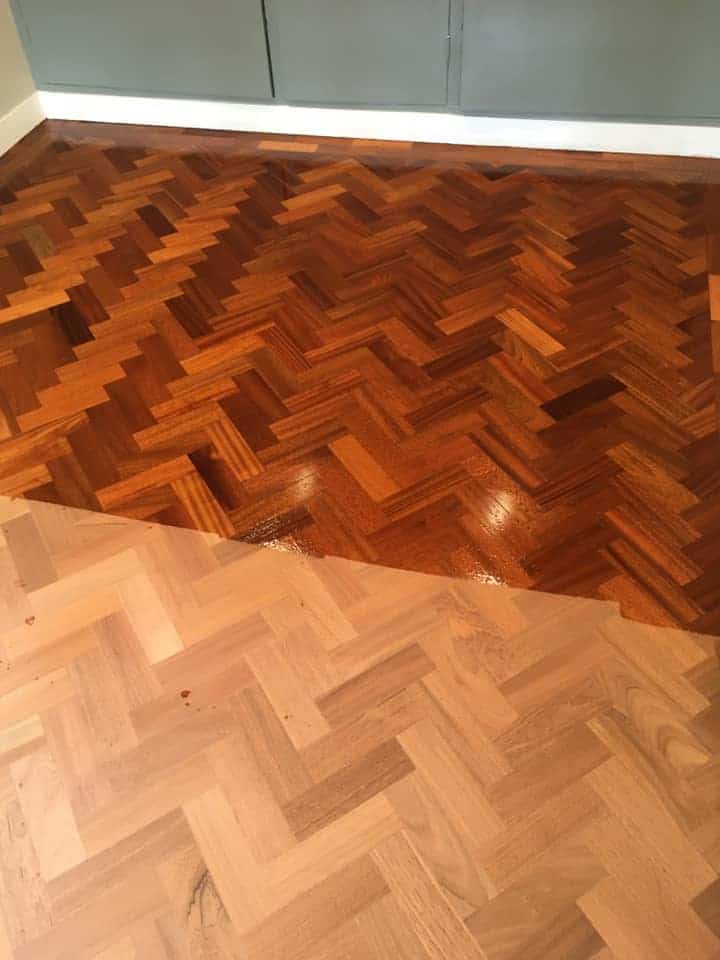
Commercial wood floor restoration can refresh suitable existing flooring while retaining the character that belongs in your premises. At Sussex Floor Restoration, we consider the condition of the timber, how your business uses the space and what needs to happen before the floor returns to service.
In a busy pub, restaurant or hotel, wooden floors get a lot of use. Customers bring in grit from outside, chairs move across dining areas, and the same walkways carry hundreds of footsteps. Eventually, regular cleaning stops making the difference it once did.
Quick Summary
Commercial wood floor restoration can involve preparation, sanding and refinishing to improve worn timber and renew its protection. The right approach depends on the floor’s condition and daily demands. Planning around business operations, allowing sufficient drying and curing time, and following a suitable maintenance routine all help protect the result.
When Does a Commercial Wooden Floor Need Attention?
A floor that looks dull does not automatically need sanding. Cleaning residue or ingrained dirt may be affecting its appearance, while some floors with an intact finish may benefit from professional maintenance or a suitable recoat.
Other signs suggest more extensive attention is needed:
– Walkways look noticeably different from quieter areas.
– The protective coating has worn through to exposed timber.
– Scratches remain obvious after cleaning.
– Discolouration has developed around entrances or seating.
– Boards or parquet blocks have become loose.
An assessment helps distinguish surface maintenance from fuller wooden floor restoration. Addressing deterioration early can also prevent everyday wear from becoming a more involved problem.
How Worn Floors Affect the Feel of Your Premises
Flooring forms a large part of what customers see when they enter. A dining room may have carefully chosen furniture and fresh paintwork, yet a scratched, patchy floor can leave the space feeling unfinished.
That does not mean every sign of age should disappear. Original boards in a traditional pub or parquet in a hotel reception can contribute to the building’s appeal.
The aim is to recover a clean, considered appearance while retaining that character. Restoring usable flooring also keeps existing materials in service, making it worth exploring before committing to replacement.
What Does Commercial Wood Floor Restoration Involve?
We begin by looking at the timber, existing finish, previous wear and any areas needing attention. The floor must have sufficient usable wood remaining for the proposed sanding, particularly with engineered flooring or boards that have been restored before.
Where full restoration is appropriate, the work generally involves:
1. Preparing the area and addressing agreed repairs.
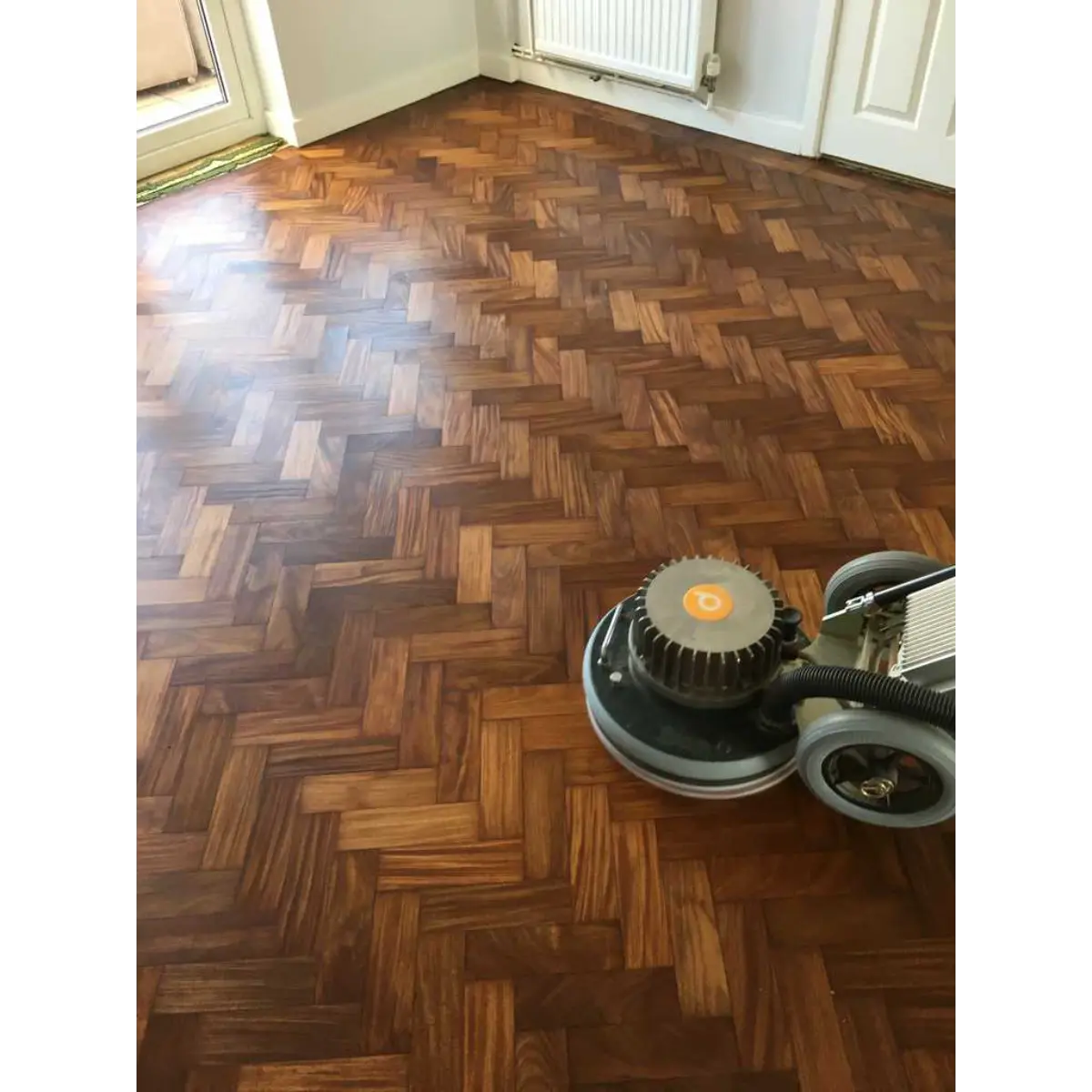
2. Sanding progressively to remove worn coatings and surface damage.
3. Working carefully around edges, corners and fixed features.
4. Preparing the surface for a compatible finishing system.
5. Applying the finish and explaining aftercare.
Our wood floor sanding service uses extraction equipment to provide a 98% dustless process. Some fine dust can remain, so preparation and protection still matter.
Pub Floor Sanding, Restaurant Floors and Hotel Spaces
Different premises put different demands on their floors. Even within one business, the busiest areas may need particular consideration.
| Commercial space | Typical demands | Restoration priorities |
| Pubs and bars | Concentrated footfall, spills and moving stools | Suitable protection, practical cleaning and retaining the venue’s character |
| Restaurants | Chair movement, food spills and regular cleaning | A durable finish and clear maintenance instructions |
| Hotels | Luggage, entrance traffic and prominent reception areas | Consistent presentation and carefully planned access |
| Shops and showrooms | Repeated customer routes and moving displays | Protection for busy walkways and furniture contact points |
Pub floor sanding, for example, needs to account for the practical demands around the bar as well as the appearance of quieter seating areas. We look at how the whole space works before recommending treatment.
Choosing a Finish for Heavy Footfall
The finish needs to suit commercial use, the timber and your maintenance arrangements. Appearance matters, but so does how the surface will cope with everyday business activity.
A suitable commercial lacquer can provide a hard-wearing protective coating. Oil-based systems offer different visual and maintenance characteristics, with product suitability assessed for the particular setting.
No single finish is best for every premises. We would discuss:
– The volume and pattern of foot traffic.
– Exposure to spills and frequent cleaning.
– Your preferred colour and sheen.
– The maintenance your team can realistically carry out.
Floor refinishing should leave you with a surface you understand how to care for. A durable coating still needs regular attention; it does not make the timber immune to scratches or moisture.
Planning Commercial Floor Sanding Around Your Business
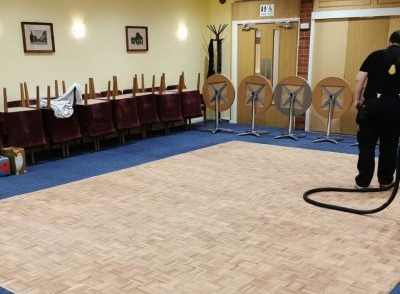
For business owners, the practical question is often when the work can happen. An early discussion gives us the opportunity to consider quieter periods, planned closures and any dates when the space must be available.
Furniture needs somewhere to go, and the work area must remain accessible to the team while being kept clear of customers and staff.
Allow Time Before Normal Trading Resumes
Finishing the application is not the same as having a floor ready for full commercial use. Light foot traffic, furniture replacement, cleaning and heavy use may each have different waiting periods.
These depend on the selected products and site conditions, so the schedule should follow the finishing system’s requirements.
Phased restoration may be worth discussing where rooms can be separated. However, access routes, coating boundaries and the finished appearance must all be considered before deciding whether that approach will work.
Protecting Your Floor After Restoration
A simple, consistent care routine helps preserve the investment in wood floor restoration.
Use effective entrance matting to reduce tracked-in grit, and remove loose dirt regularly. Wipe up spills promptly and use cleaning products suited to the finish, avoiding excessive water.
Furniture feet also deserve attention. Protective pads should be checked and replaced when worn, especially beneath dining chairs that move throughout the day. Manufacturer maintenance guidance similarly highlights furniture protection as part of caring for commercial lacquered floors.
Give cleaning staff clear instructions and inspect busy routes regularly. Where suitable, timely professional maintenance or recoating may extend the interval before another full sanding is necessary.
Commercial Wood Floor Restoration with Sussex Floor Restoration
Commercial wood floor restoration brings together appearance, practical protection and sensible planning. The right treatment can refresh your premises while keeping the original timber working for your business.
At Sussex Floor Restoration, we assess your floor and discuss the space, expected use and available timescale before recommending an approach. Our floor restoration process includes preparation guidance and aftercare, helping you plan both the work and what follows.
To discuss flooring in your pub, restaurant, hotel or other commercial premises, get in touch.
Call: 01444 810505
Email: info@sussexfloorrestoration.co.uk
Website: sussexfloorrestoration.co.uk
Frequently Asked Questions About Commercial Wood Floor Restoration
Can a heavily worn commercial wooden floor be restored?
Often, yes, provided the timber is structurally suitable and enough usable thickness remains. Worn finishes and surface scratches can make a floor look worse than its underlying condition. Serious damage, movement and previous sanding need assessing before the work is agreed.
How do you know whether a floor needs cleaning, recoating or sanding?
The condition of the protective finish is an important starting point. Dirt and residue may respond to professional cleaning, while an intact but worn coating may be suitable for recoating after preparation. Exposed timber or more serious damage can require fuller restoration.
How long does commercial wood floor restoration take?
The timescale depends on the area, floor condition, preparation required and finishing system. Furniture removal and the waiting time before normal use also need to be included. We can explain the likely programme after assessing your premises.
Will the business need to close during restoration?
The area being restored needs to remain out of use during the work and for the required period afterwards. Whether the whole business needs to close depends on its layout, access and operations. This should be discussed before booking the project.
Can restoration be carried out in separate areas?
Sometimes, particularly where rooms can be isolated and alternative access is available. Open-plan premises can be more difficult to divide without affecting the finish or business operations. Phasing needs assessing for the individual property.
What finish is suitable for a busy pub or restaurant floor?
A finishing system rated for the expected commercial demands is essential. Suitable lacquers and oil systems have different appearance and maintenance requirements. We consider footfall, spills, cleaning routines and the timber before recommending an option.
How much dust does commercial floor sanding create?
Our sanding equipment uses extraction to provide a 98% dustless service. It greatly reduces dust, but does not eliminate it entirely. Nearby areas and items still need appropriate preparation and protection.
Can sanding remove old drink stains and scratches?
Sanding can remove many surface scratches and marks, but deeply penetrated stains or damage may remain. The amount of timber that can safely be removed also limits the result. We assess affected areas and explain realistic expectations beforehand.
When can furniture and customers return to the floor?
The timing depends on the chosen finish and conditions during drying and curing. A floor may accept light foot traffic before it is ready for furniture or heavy customer use. Follow the specific return-to-use guidance provided for the treatment.
How should a restored commercial wooden floor be maintained?
Remove grit frequently, deal with spills promptly and clean with products approved for the finish. Maintain entrance mats and furniture protection, and avoid soaking the floor. Regular checks of busy areas help identify wear before protection is lost.