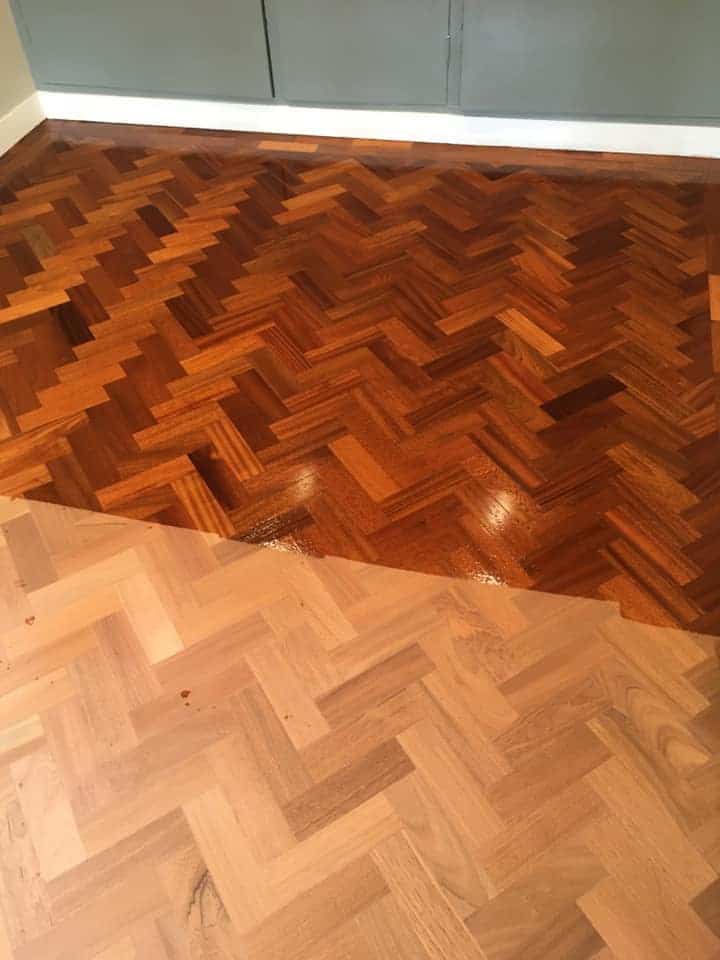
Stone restoration and knowing exactly how to clean stone floors are essential if you want your natural stone surfaces to last and look their best. While daily cleaning helps, professional stone care is often the only way to remove deep-set grime, correct damage, and prevent long-term deterioration.
At Sussex Floor Restoration, we specialise in cleaning, sealing, and restoring stone floors in homes, heritage properties and commercial buildings across the South East. Here’s what makes our approach different and why correct cleaning matters more than ever.
Why natural stone needs expert care
Stone looks tough, but it’s not invincible. The surface of the stone is often porous and vulnerable to damage from moisture, spills, abrasive pads and acidic products. Even everyday cleaning products from the supermarket can cause long-term discolouration, etching, or residue buildup.
Common problems we see include:
- White hazing or dull patches
- Deep dirt lodged in grout joints
- Etching from lemon juice or vinegar
- Stains from incorrect cleaning agent use
- Residues from soapy or wax-based cleaners
Stone is unforgiving, so mistakes show quickly and are often difficult to remove without specialist intervention.
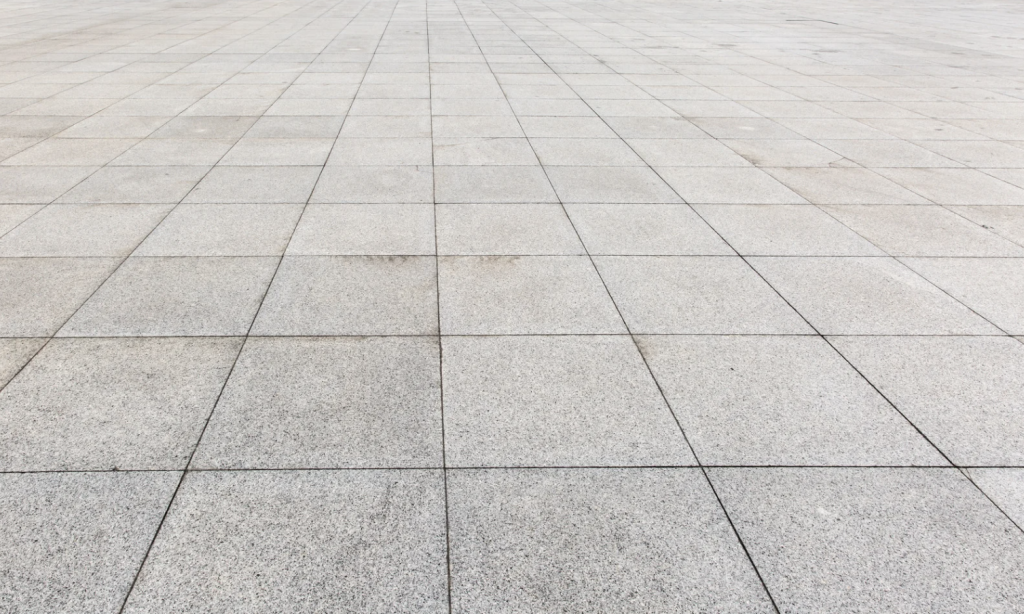
What is professional stone restoration?
Stone restoration is the process of deep cleaning, repairing, re-honing and resealing natural stone floors. It can include stain removal, stone repairs, surface levelling and re-polishing depending on the floor’s age, condition and stone type.
Our 2025 restoration process:
Initial inspection and testing
We identify the stone type, finish and seal status. For example, a grade II listed limestone hallway will need a different treatment than modern travertine tiles.
Mechanical cleaning and dirt removal
Using diamond pads and oscillating machines, we clean down into the stone’s surface and pores, far deeper than a mop ever could.
Grout line cleaning or recolouring
Grout is a dirt magnet. We use a neutral floor cleaner or alkaline solution depending on the staining and age.
Stain treatment
A targeted stain remover lifts oil, rust, or wine damage without bleaching surrounding stone.
Surface repairs if needed
We re-adhere loose tiles, carry out stone repairs, and repoint gaps using colour-matched filler.
Sealing
This is critical. We apply breathable, invisible protection that helps future cleaning while preserving the clean natural appearance of the floor.
How to clean stone floors safely at home
Correct maintenance starts with the basics, but even these can go wrong if you use the wrong tools or products.
Do:
- Use a vacuum cleaner with a hard-floor setting to lift grit
- Mop with clean water or a neutral cleaner made for stone
- Dry mop after washing to prevent water spots
- Blot up spills immediately, especially acidic ones
Don’t:
- Use acidic cleaners (including DIY solutions like lemon juice)
- Apply bleach or general cleaning agent sprays meant for other surfaces
- Use steam cleaners or hot pressure tools
- Let dirt sit in grout lines, it will discolour and spread
If you’re struggling with dullness after mopping…
…you’re probably using too much product or a cleaner that leaves residue. This is one of the most common reasons clients contact us for professional help.
Why standard cleaning often isn’t enough
Even if you clean regularly, you may find your stone floor continues to look dirty, tired, or blotchy. This happens because:
- Dirt sits below the surface of the stone
- Grout absorbs moisture and stains
- Sealants wear off over time and no longer protect the floor
- Past use of incorrect cleaning products has left residue
This is where expert stone restoration comes in. We go beyond surface cleaning to lift embedded grime, resurface worn patches, and reapply protective finishes the right way.
What makes Sussex Floor Restoration different?
- Tailored process by stone type – marble, limestone, travertine, slate, sandstone and more
- Heritage-aware – we’re trusted to clean and restore floors in listed buildings
- No generic chemicals – we use pH-specific formulas, matched to stone density and porosity
- Sustainable approach – long-lasting sealers reduce future cleaning effort and product use
- Straight answers – we show you what’s actually damaging your stone and how to avoid it
What should you do next?
If you’re not happy with the look or feel of your stone flooring (or it’s just getting harder to keep clean) – don’t guess! We’ll tell you what kind of stone you have, what it needs, and how we can help.
Stone restoration goes above aesthetics; it protects your investment, prevents long-term damage, and makes everyday care easier.
Let’s get your stone floor back to its best
We handle everything from listed flagstones to modern tiles. Whether you need a deep clean or full restoration, Sussex Floor Restoration brings years of experience, care, and the right tools for the job.
Visit our Stone Floor Restoration page, or call 01444 810505!
Looking for another great read? You should check out our blog on Travertine Floor Tiles.
FAQs
What is stone restoration and why is it needed?
Stone restoration is the professional process of deep cleaning, repairing, re-finishing and sealing natural stone floors. It removes stains, damage and surface wear that regular cleaning can’t fix, helping extend the life and appearance of the stone.
How do you clean stone floors without damaging them?
Use a pH-neutral cleaner made for stone, clean water, and a soft mop. Avoid acidic cleaners, bleach or vinegar, which can etch or stain the surface. Dry the floor after cleaning to avoid water spots or residue.
Can lemon juice or vinegar damage stone floors?
Yes, lemon juice and vinegar are acidic and can permanently damage the surface of the stone. They cause dull spots, etching and even discolouration – especially on limestone, marble, and travertine floors.
How often should natural stone floors be professionally cleaned?
Most natural stone floors benefit from professional cleaning and sealing every 1–3 years, depending on foot traffic, spill exposure and the type of stone. Heritage or listed floors may need gentler, more frequent care.
What’s the best cleaner to use on stone floors daily?
A neutral cleaner diluted with warm water is safest for daily use. Always check it’s designed for stone floors. Avoid general-purpose products, which often leave residue or damage the sealant layer.
How do I know if my stone floor needs professional cleaning?
If your stone floor looks dull, has uneven colour, or the grout lines stay dark even after mopping, it’s time for a professional clean. Residue build-up and worn sealant are signs your usual routine isn’t enough.
Can I use shop-bought floor cleaners on natural stone?
Most general floor cleaners are too harsh or leave residue on natural stone. Always check the label; unless it’s a neutral cleaner made for stone, skip it. Stick with pH-balanced options to avoid long-term damage.
What’s the difference between cleaning and restoring a stone floor?
Cleaning removes surface dirt and grime, while restoration goes deeper — lifting embedded stains, correcting damage, and resealing the stone. If mopping no longer improves the look, restoration is usually the next step.
Will sealing my stone floor stop it from staining?
Sealing helps protect your floor, but it doesn’t make it stain-proof. It gives you more time to wipe up spills before they soak in. Regular resealing keeps the protection working properly.
Is professional stone restoration safe for old or listed properties?
Yes, we tailor the process for sensitive surfaces, including Grade II listed floors. We use low-impact tools and breathable, non-glossy sealers that respect the age and finish of the stone.