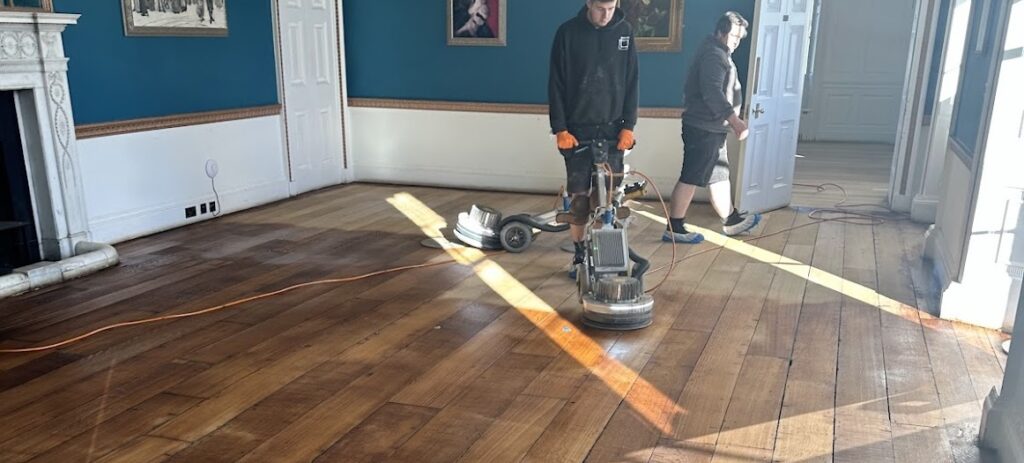
Wood Floor Sanding Canterbury For Floors With a Bit of History Left in Them
Wood Floor Sanding Canterbury is often about working with the floor you already have, rather than covering it, replacing it or pretending it has to look brand new. In a city like Canterbury, that matters. Plenty of homes and commercial properties have wooden floors that are part of the building’s character, but years of foot traffic, furniture, old finishes, sunlight and general wear can leave them looking tired.
That does not always mean the timber is finished. More often, the top layer has taken the damage while the floor underneath still has plenty to give. With the right sanding, preparation and finishing process, we can bring back warmth, depth and consistency without stripping away the charm that made the floor worth keeping in the first place.
We restore wooden floors across homes, rental properties, shops, hospitality spaces, schools and commercial buildings. For Canterbury, that might mean old boards in a period house, parquet in a character property, timber flooring in a guest house, or a hard-working floor in a busy city centre business.
Quick Summary
Wooden floors in Canterbury often deal with heavy use, older property layouts, tourism, rental turnover and years of layered finishes. Wood floor sanding can remove dull coatings, surface scratches, staining and worn walkways while keeping the original timber in place. We help restore the floor properly, choose a suitable finish and give clear aftercare advice so the result looks good and lasts.
Why Canterbury Floors Often Need a Careful Approach
Canterbury is not a one-type-of-property city. You have historic homes around the city centre, older terraces, family houses, student rentals, guest accommodation, shops, cafes, offices and converted spaces all sitting within a fairly compact area. That variety changes how a floor wears.
A hallway in a family home near St Stephen’s may have a worn central track from daily use. A rental property near the university areas may have scratches from furniture being moved in and out. A guest house or short-stay property may have heavy wear around entrances and bedrooms. A shop or studio closer to the city centre may need a finish that can cope with regular footfall.
The point is simple: Canterbury floors are often doing more than just looking nice. They are part of working, lived-in, high-use spaces. That is why a proper restoration starts with understanding how the floor is used, not just what it looks like on the surface.
What Sanding Can Bring Back
Wood floor sanding is designed to remove the tired surface layer of a floor. This is where most of the visible damage sits. Once that layer is carefully sanded away, the timber can often look much cleaner, warmer and more even.
Sanding can help with:
- Dull or flat-looking wooden floors
- Surface scratches and scuff marks
- Worn areas through entrances and walkways
- Old varnish, lacquer or oil that has darkened over time
- Patchy colour from rugs, furniture or sunlight
- Light staining and general surface marking
- Floors that look dirty even after cleaning
- Tired timber that feels rough or uneven underfoot
Not every mark can always be removed completely, especially on older floors with deep staining or historic repairs. We will always be honest about that. The goal is to restore the floor well, not promise a completely unrealistic factory-fresh result for timber that has had a full life.
Restoring Canterbury Floorboards Without Losing Their Character
Older floorboards can be one of the best features in a Canterbury home. They add warmth, texture and a sense of age that newer flooring often tries to imitate but rarely matches. The challenge is knowing how far to take the restoration.
Sand too little and the floor may still look tired. Sand too aggressively and you risk removing the very character you wanted to preserve. That is where experience matters.
When an Older Floor Should Still Look Like an Older Floor
Some original floorboards have movement, colour variation, small gaps, previous repairs and natural wear patterns. These are not always faults. In the right property, they are part of the floor’s appeal.
Our approach is to improve the surface, refresh the finish and make the floor easier to live with, while respecting the age of the timber.
Keeping the Balance Right
A good restoration should make an old floor feel cared for, not artificial. That might mean choosing a softer natural finish, avoiding a heavy gloss, or accepting that some deeper marks are better softened than erased completely.
Canterbury Properties Where Wood Floor Sanding Makes Sense
Wood floor sanding is suitable for a wide mix of Canterbury properties. The right approach depends on the age of the floor, the condition of the timber and how the space is used.
Canterbury Property Type | Common Floor Issues | Suitable Restoration Approach |
|---|---|---|
| Period homes | Dull boards, old coatings, gaps, colour variation | Careful sanding with a sympathetic natural finish |
| Family houses | Scratched living spaces, worn hallways, furniture marks | Durable sanding and refinishing for everyday use |
| Student rentals | Scuffs, staining, heavy wear, inconsistent finishes | Practical restoration with a tougher protective finish |
| Guest houses and holiday lets | Wear near doorways, bedrooms and communal areas | Hard-wearing finish with easy maintenance |
| Shops and studios | Foot traffic, surface marks, tired entrance areas | Commercial-grade finish suited to regular use |
| Converted spaces | Mixed timber, old repairs, uneven finishes | Bespoke sanding and finishing after proper assessment |
Why Restoration Can Be Better Than Replacement
Replacing a wooden floor is not always the smartest move. If the timber is still sound, sanding and refinishing can often give the floor a new lease of life while keeping the original material in place.
This is especially relevant in Canterbury, where many properties have character worth protecting. A replacement floor might look neat, but it can also remove part of what makes the space feel right.
Restoration can be the better choice when:
- The existing timber is structurally sound.
- The main issue is surface wear rather than serious damage.
- You want to keep original boards or parquet.
- The floor suits the age and style of the property.
- You want a cleaner, warmer and more usable finish without starting again.
There are times when replacement is unavoidable, but a lot of wooden floors are written off far too early.
Our Wood Floor Sanding Process
Our process is built around getting the floor right, not rushing through the job. Every project starts with a proper look at the floor, because the sanding method, repair work and finish all depend on what we find.
First, we assess the timber, the existing finish and the condition of the boards or blocks. We look for staining, movement, gaps, loose areas, deep scratches and signs of previous sanding. From there, we explain what can be restored, what may still show and which finish would suit the room.
Once the work begins, we use professional sanding equipment with strong dust extraction. Our sanding process is 98% dust free, which helps keep the work cleaner and less disruptive. After sanding, we prepare the floor for the chosen finish, whether that is a lacquer, oil, stain or more natural-looking surface treatment.
When the floor is finished, we do not just disappear. We give you clear advice on how to clean and maintain it properly, because the wrong products can shorten the life of a good restoration.
Choosing a Finish That Suits Canterbury Living
The best finish is not always the one that looks nicest on a sample. It needs to suit the way the space is used.
A quieter room in a character home might suit an oil finish that gives the floor a softer, more natural appearance. A hallway, kitchen, rental property or commercial space may need a tougher lacquer to deal with regular footfall. If the floor has strong colour variation, staining or old marks, a stain may help create a more balanced look.
We can talk you through the practical differences between finish options, including:
- How durable the finish is
- How natural or modern it looks
- How easy it is to maintain
- Whether it suits pets, children or commercial use
- How it will affect the colour of the timber
- What aftercare products should be used
This is where good advice makes a real difference. A floor can be beautifully sanded, but if the finish is wrong for the space, it will not perform as well as it should.
Wood Floor Sanding For Canterbury Businesses
Canterbury businesses often need floors that look presentable but can also cope with daily use. This is particularly true for shops, salons, cafes, offices, guest accommodation and customer-facing spaces.
A tired wooden floor can make a room feel darker, older and less cared for than it really is. Sanding and refinishing can make the space feel brighter and more welcoming without needing a full refurbishment.
For commercial projects, we will consider:
- How much foot traffic the floor receives
- Whether customers or staff use the space daily
- How quickly the work needs to be completed
- What finish will cope best with use and cleaning
- Whether the floor needs to feel traditional, modern or more neutral
The aim is to restore the floor in a way that supports the space, rather than creating a surface that looks good for a week and then starts struggling.
Can Every Wooden Floor Be Sanded?
Not every floor is suitable for sanding, and it is better to say that clearly from the start. Solid wood floors can usually be sanded if they have enough timber left and are in suitable condition. Parquet can often be restored, but it needs the right sanding approach. Engineered wood depends on the thickness of the top wear layer.
We will check this during the survey and advise properly. If sanding is not the right option, we will say so. If a lighter restoration is more sensible than a full sand, we will explain that too.
Book Wood Floor Sanding in Canterbury
If your wooden floor in Canterbury is scratched, dull, patchy, stained or looking past its best, it may still be very restorable. The right sanding and finishing process can bring back the natural look of the timber, improve the feel of the room and help protect the floor for years to come.
We work with homeowners, landlords, businesses and property managers who want honest advice, careful workmanship and a finish that suits real life.
Contact Sussex Floor Restoration to book a survey or ask a question about wood floor sanding in Canterbury.
Email: info@sussexfloorrestoration.co.uk
Phone: 01444 810505