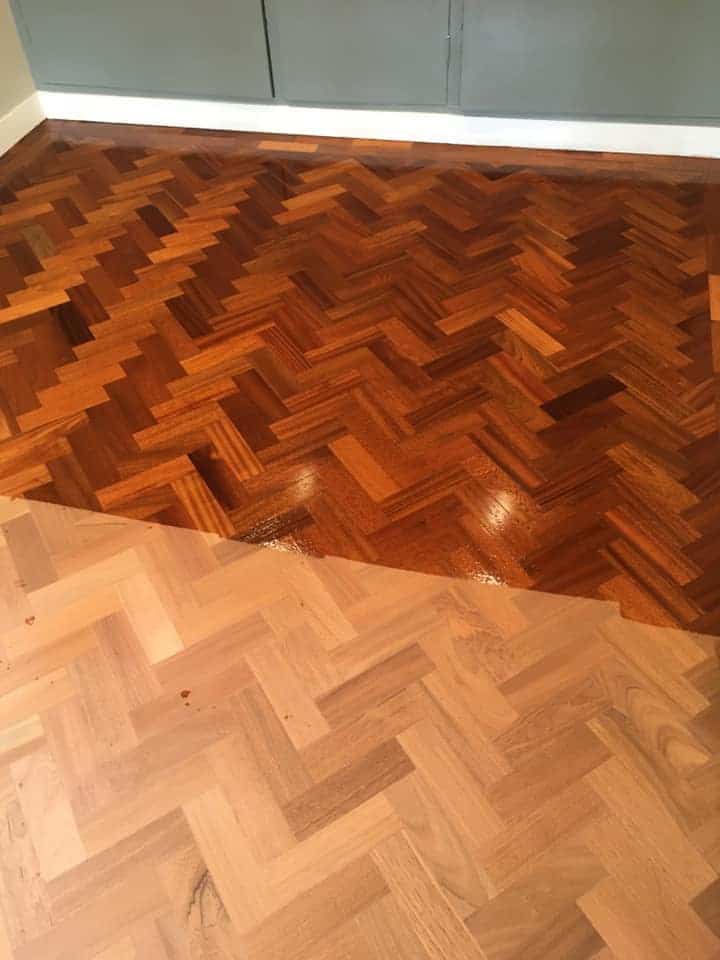
Cleaning flagstone floors isn’t just a matter of mopping and hoping for the best. When dirt, staining, and time take hold, DIY efforts often fall short, especially when you’re dealing with historic or uneven natural stone floors.
True stone tile restoration involves more than a surface-level scrub; it’s a carefully planned process that considers the stone type, environment and years of wear.
At Sussex Floor Restoration, we don’t just clean stone floors, we restore them, seal them, and bring out the character hiding under layers of grime. Here’s how the process really works and why trusting professionals will always give you better, longer-lasting results.
Summary: What You Need to Know About Cleaning Flagstone Floors
- Flagstone is porous and textured; it easily traps dirt, moisture and oil deep within the surface.
- Regular mopping doesn’t remove what’s built up over time.
- Professional stone floor cleaning uses rotary machines, alkaline or solvent-based treatments, and expert grout cleaning to restore both the surface and the structure.
- Final sealing with impregnator sealers protects the floor and makes daily cleaning easier.
- Different floor types require different solutions; what works for tile won’t work for stone.
Why Flagstone Is So Tricky to Clean
The beauty of a flagstone floor lies in its irregularity its natural texture, varied tone, and centuries-old wear. But that same texture is exactly what makes it difficult to maintain.
- It’s porous, meaning it absorbs moisture, oils and spills quickly.
- Its texture can trap dirt in grooves that ordinary mops can’t reach.
- Older floors are often unsealed or have failing sealers, meaning water or cleaners do more harm than good.
- DIY pressure wash attempts can cause chipping, erosion or uneven finishes if the wrong pressure is used.
That’s why a professional deep clean is always the safest first step.
Step-by-Step: How We Professionally Clean and Restore Flagstone Floors
Every floor restoration starts with understanding what we’re working with. Not all types of stone respond the same way to cleaning agents or machinery. Our work is precise, protective and always tailored to the floor in front of us.
1. Inspection and Testing
We assess the surface of the stone, grout condition, moisture levels and previous sealers. In older properties, we also check for signs of cement haze, efflorescence or historic coatings.
2. Deep Cleaning the Stone
Using low-speed rotary machines, we apply an appropriate stone floor cleaner suited to your flagstone, alkaline for organic dirt and grease, solvent-based for wax or oil build-up. We agitate with a scrubbing brush to work the cleaner into the floor’s natural texture.
3. Grout and Edge Detailing
Grout lines and edges are often the dirtiest parts of a tile or stone floor. We detail clean using handheld tools and brushes, ensuring the floor looks evenly restored, not just clean in the middle.
4. Controlled Rinse and Extraction
We carefully rinse the stone to remove residues, without oversaturating the surface. Extraction equipment lifts dirt and chemical residue, preparing the floor for sealing.
5. Sealing the Stone
Once fully dry, we apply a breathable impregnator sealer designed to protect from inside out rather than forming a surface layer that traps moisture. This ensures the floor can still “breathe,” especially important in older or heritage homes.
Table: DIY vs. Professional Flagstone Cleaning
Why DIY Isn’t Enough, and Why We’re the Experts
We’re often called in after a property owner has tried to clean a stone floor themselves, only to find that it looks patchy, still dull, or now has water marks they can’t remove.
Our trained specialists:
- Know how to protect old and uneven stone during cleaning
- Understand which types of stone respond best to which cleaners
- Work with tools designed for porous surfaces, not just tile
- Apply the correct sealer based on porosity, foot traffic and finish preference
- Avoid common damage like surface etching, colour loss, or over-saturation
Whether it’s a rustic kitchen floor, a hallway in a Grade II listed property, or a commercial entrance, we bring experience, precision and care to every job.
Need Help Cleaning and Restoring Your Flagstone Floor?
If your flagstones are looking dull, darkened or feel greasy underfoot, it’s time for a proper clean. At Sussex Floor Restoration, we specialise in cleaning flagstone floors and providing high-quality stone tile restoration that protects your floor long after we leave.
We restore more than just appearance; we restore performance, safety, and pride in your space.
Visit our Stone Floor Restoration Services page, or give us a call on 01444 810505.
If you’d like more expert insight, you should read our blog How to Restore Timber Floors: Should You DIY Your Wood Floor Repairs?
FAQs
How do professionals clean flagstone floors properly?
Professionals clean flagstone floors using rotary machines, stone-safe cleaners and high-powered extraction. This removes deep-set dirt, oils and residues without damaging the stone. They also detail-clean grout lines and seal the floor for lasting protection.
Why is sealing important after cleaning flagstone floors?
Sealing protects flagstone from absorbing moisture, stains and grime. A breathable impregnator sealer sinks into the stone, preventing damage without trapping moisture, especially important for older or porous surfaces.
Can you use a pressure washer to clean flagstone floors?
It’s not recommended. Pressure washing can damage grout, erode soft stone and force water into subfloors. Professionals use controlled rinsing methods designed specifically for stone tile restoration and safe dirt extraction.
What causes flagstone floors to darken or look greasy over time?
Flagstone floors darken due to trapped oils, cleaning residues, or failed sealers. Their rough texture holds grease and dirt, which builds up in layers. Only a deep clean can fully restore the original tone and finish.
Is there a difference between tile and natural stone floor cleaning?
Yes. Tile floors often have a glazed or synthetic surface, while natural stone floors are porous and need specialist cleaners. Using the wrong product can stain, etch or damage the stone permanently. Always use stone-specific methods.
What’s the best cleaning product for flagstone floors?
The best product for cleaning flagstone floors is a pH-neutral, stone-safe cleaner. Avoid acidic or bleach-based products, which can damage the stone surface or strip existing sealers.
How often should flagstone floors be professionally cleaned?
Flagstone floors in busy homes or high-traffic areas should be professionally cleaned every 12 to 24 months. Regular deep cleaning prevents permanent staining and keeps the stone looking natural and even.
Can stone tile restoration fix uneven colouring on flagstones?
Yes. Uneven colouring is often caused by old coatings, dirt buildup or failed sealants. Professional stone tile restoration removes these layers and restores a consistent appearance through deep cleaning and resealing.
Do old or listed buildings need special treatment for flagstone floors?
Absolutely. Older buildings often have heritage-grade or sensitive stone. Restoration must be non-invasive, breathable and compatible with lime-based construction. Professionals use heritage-safe methods that won’t trap moisture or cause long-term damage.
What’s included in a full flagstone floor restoration?
A full flagstone restoration includes pre-clean testing, deep cleaning, grout detailing, rinsing, drying and professional sealing. This removes built-up grime and protects the floor for future use, without altering its natural texture or tone.
Updated November 2025