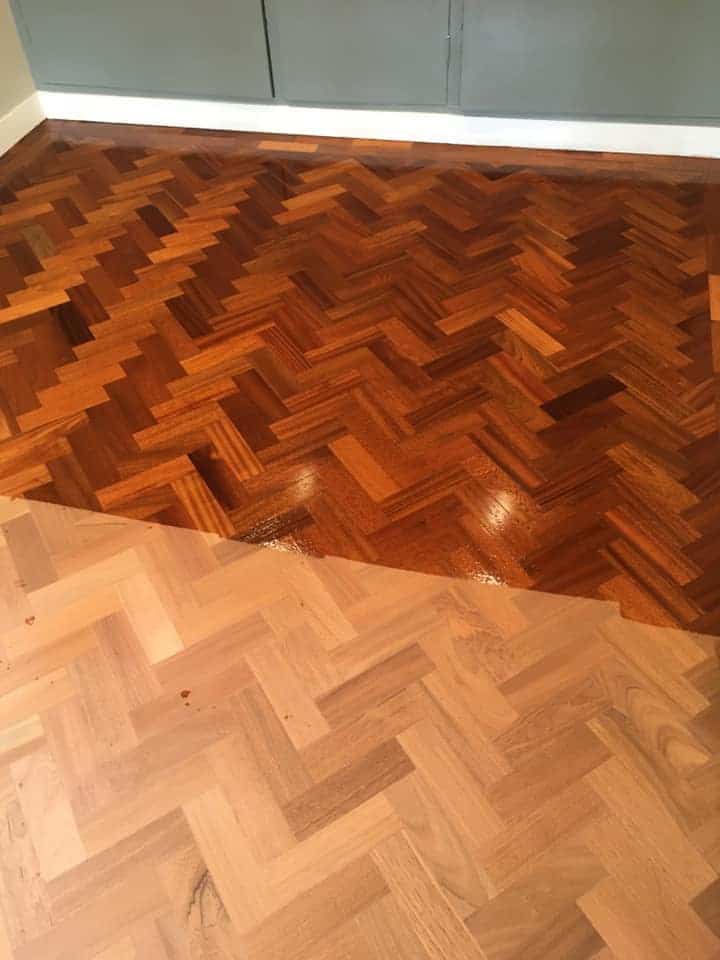
How to restore stone floors is really about understanding what the stone is, what it has been through, and what finish will help it look right again. A natural stone floor can last for decades, but foot traffic, old sealers, ingrained dirt, spills and general wear can slowly leave it looking flat, patchy or tired.
That does not always mean the floor has had its day. In many cases, proper stone flooring restoration can bring back depth, colour and texture without making the surface look overly processed. The aim is not to make an old floor look artificial. It is to clean, restore and protect it properly, so the whole floor feels balanced again.
Quick Summary
Stone floor restoration usually involves assessing the type of stone, deep cleaning the surface, working into the grout lines, removing dull residues, refining the finish where needed, and sealing the floor for long-term protection. A whole-floor approach gives a more even result than trying to treat small patches in isolation, especially with natural materials like limestone, travertine, marble, slate and terrazzo.
Why Stone Floors Start to Look Tired
Stone surfaces are strong, but they are not immune to daily life. Shoes, furniture, pets, cleaning products and general foot traffic all have an effect. Over time, dirt can settle into the surface, old sealers can become cloudy, and grout lines can darken faster than the stone around them.
The type of stone also matters. Limestone and travertine are more porous than many people realise, while marble can lose its shine in busy areas. Slate may hold onto texture and dirt, and terrazzo can become dull if the surface has not been maintained properly.
Common signs your stone floor needs attention include:
- The floor looks dull even after cleaning
- Grout lines stay dark or uneven
- The stone has lost colour or depth
- Old sealer looks patchy, cloudy or worn
- High-traffic areas look different to the rest of the room
- The surface feels harder to clean than it used to
This is where cleaning and restoration becomes more than just a mop and a bucket.
How to Restore Stone Floors Properly
Every stone floor is slightly different, but the process should always start with the whole floor in mind. Natural stone changes over time, so treating one small area on its own can leave obvious differences in tone, finish and protection.
A proper restoration process will usually include:
- Identify the stone and existing finish
Before anything else, we need to understand the types of stone we are working with. Limestone, travertine, marble, slate, terrazzo and porcelain ceramic surfaces all behave differently. Some need careful cleaning, some need honing or polishing, and some mainly need old residue removed before sealing. - Deep clean the surface
A deep clean helps lift ingrained dirt, old cleaning build-up and general grime from the surface of the floor. This is especially important in kitchens, hallways, bathrooms and open-plan spaces where stone floor cleaning has to deal with years of use. - Clean the grout lines
Grout lines often show the age of a floor faster than the stone itself. Cleaning them properly can make a huge difference to the overall appearance of the room, particularly where light stone has started to look dull against darker grout. - Refine the finish
Some floors need more than cleaning. Depending on the stone, the surface may need honing, polishing or mechanical work to even out the finish and bring back a more consistent appearance across the whole area. - Seal the floor
Once the stone has been cleaned and restored, sealing helps protect the surface from moisture, staining and everyday wear. A properly cleaned and sealed stone floor is much easier to maintain.
Different Stone Floors Need Different Treatment
Not all stone restoration is the same. The right method depends on the material, the finish and how the floor is used.
| Type of floor | Common issues | Restoration focus |
| Limestone | Dullness, staining, worn sealer | Deep cleaning, honing and sealing |
| Travertine | Dirt in texture, open pores, dull patches | Cleaning, surface refinement and sealing |
| Marble | Loss of shine, etching, traffic marks | Honing, polishing and protection |
| Slate | Surface grime, uneven colour, old coatings | Careful cleaning and finish enhancement |
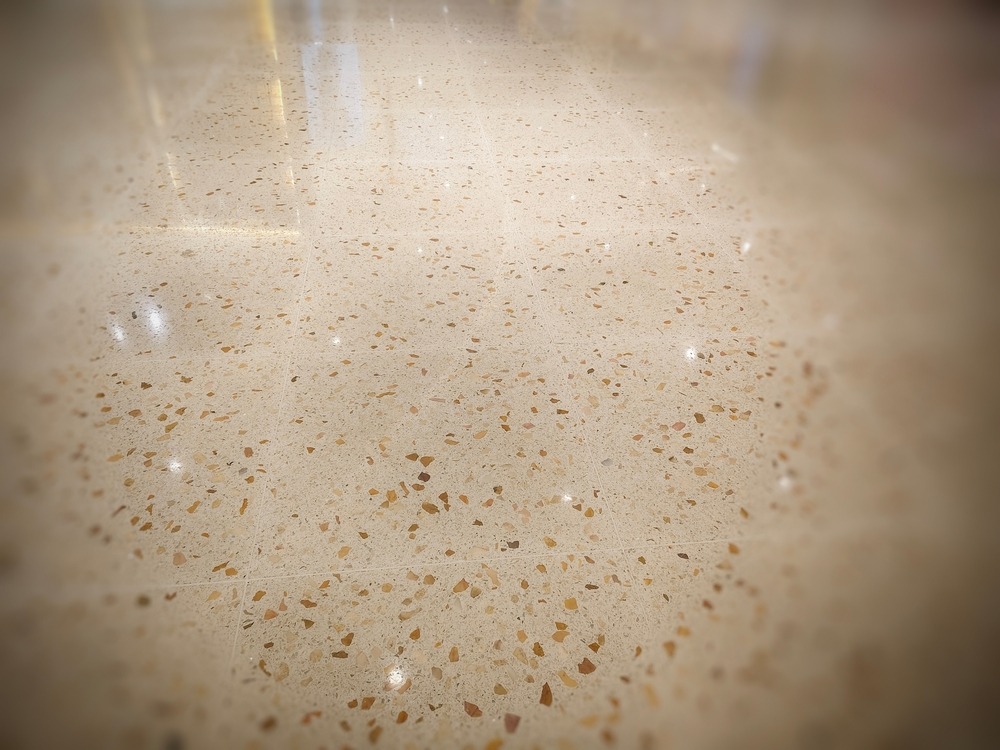
| Terrazzo | Dullness, scratches, tired surface | Mechanical refinement and polishing |
| Porcelain ceramic | Surface residue, dirty grout, dull appearance | Specialist cleaning rather than stone polishing |
Porcelain and ceramic floors are not natural stone floors, but they are often discussed in the same conversation because they can suffer from similar issues with grout lines, surface residue and stubborn dirt.
Why Whole-Floor Restoration Works Best
A stone floor is a complete surface, not a collection of separate patches. If one area has become dull or worn, the surrounding sections have usually changed as well, even if it is less obvious at first glance.
The Problem With Treating Small Areas in Isolation
Natural stone has variation built into it. When only one section is cleaned, polished or sealed, it can highlight differences between the treated area and the rest of the floor. That can leave the surface looking uneven rather than properly restored.
Why Consistency Matters
A whole-floor approach allows the finish, colour and protection to work together across the space. It gives a more natural result and helps the floor stand the test of time, rather than creating one area that looks newer than everything around it.
For larger rooms, hallways and commercial spaces, this is especially important. Foot traffic rarely affects just one perfect square of flooring. It moves through doorways, across walkways, around furniture and into the areas people use most.
Keeping a Restored Stone Floor Looking Good
Once the stone restoration work is complete, aftercare makes a big difference. The right routine will depend on the floor, but the basics are simple.
Use suitable cleaning products, avoid harsh acidic cleaners, wipe up spills promptly, and keep grit away from the surface where possible. Mats at entrances can help reduce the amount of dirt being walked across the floor, especially in busy homes, schools, shops and commercial buildings.
The biggest mistake is using products that leave a residue. These can make the floor look clean for a short time, but gradually build up and dull the surface again.
How to Restore Stone Floors With Sussex Floor Restoration
If you are wondering how to restore stone floors in a way that feels natural, even and long-lasting, the best starting point is a proper assessment of the whole floor. We look at the stone, the condition, the finish and how the space is used before recommending the right cleaning and restoration process.
At Sussex Floor Restoration, we restore natural stone floors across Sussex, Surrey and the surrounding areas, including limestone, travertine, marble, slate, terrazzo and other stone surfaces. Our focus is always on bringing the whole floor back together, so it looks cleaner, more balanced and easier to live with.
To discuss stone flooring restoration for your home, school or commercial space, contact Sussex Floor Restoration.
📞 01444 810505
📧 info@sussexfloorrestoration.co.uk
🌐 https://sussexfloorrestoration.co.uk/
If you liked this, you may also like: Understanding Stone Floor Sealing in 2026
Frequently Asked Questions About How To Restore Stone Floors
Yes, many old stone floors can be restored if the stone is still structurally sound. Deep cleaning, surface refinement and sealing can often bring back colour, detail and a much cleaner finish across the whole floor.
The easiest way is to look at the pattern, texture, porosity and finish, but it is not always obvious. Limestone, travertine, marble, slate and terrazzo can all need different restoration methods, so it is worth having the floor assessed before work begins.
In many cases, yes. If the floor has character and the main issue is dirt, dullness or worn sealer, restoration can preserve the original material while making it look cleaner and more consistent again.
It depends on the size of the floor, the type of stone and the level of work needed. A straightforward clean and seal may be quicker, while honing, polishing or heavier restoration can take longer.
Professional stone floor cleaning can make a big difference to grout lines, especially where dirt has built up over time. Very old or stained grout may not always return to a brand-new look, but it can usually be improved as part of the whole-floor process.
Most natural stone floors benefit from being sealed because stone can be porous. Sealing helps protect the surface from spills, staining and everyday foot traffic, while making future cleaning easier.
Yes, limestone and travertine can often be cleaned, refined and sealed. These stones are naturally porous, so the right restoration process helps bring back their appearance while giving them better protection.
Mopping often only cleans the very top of the surface. If dirt, old cleaning residue or worn sealer has built up over time, the floor may need a deep clean and restoration rather than everyday cleaning.
This depends on the stone, the sealer and how much foot traffic the floor gets. Busy hallways, kitchens, schools and commercial spaces may need attention more often than quieter rooms at home.
The best approach is to restore the whole floor so the finish looks even and natural. A proper process usually includes identifying the stone, deep cleaning, treating grout lines, refining the surface where needed, and sealing it for protection.