If you’re dealing with damaged, creaking, or visibly worn timber, choosing between replacement floorboards and restoring floorboards isn’t always straightforward. The right decision depends on the type of damage, the structure of your wood flooring, and the long-term finish you want to achieve.
At Sussex Floor Restoration, we’ve seen every type of floor condition, from 100-year-old pine boards hidden under carpet to split engineered timber and lifted joins in modern builds. Here’s how we assess the best route forward and why repair and restoration still win more often than you might expect.
When do floorboards need replacing?
Not all visible damage means you need replacement floorboards. But some signs clearly indicate a board is beyond recovery:
- Cracked or split through the grain – structural integrity is lost
- Rot, water staining or mould – especially near thresholds or radiators
- Boards lifting, warping or bowing – usually from moisture imbalance
- Repeated movement at fastenings – the tongue is worn or broken
- Over-sanded timber – especially in softwoods, where the board is now too thin
Summary: boards that are structurally weak or missing material can’t be safely or neatly restored. That’s when replacement becomes essential — not optional.
When can floorboards be restored instead?
Restoring floorboards is often the better long-term solution, less invasive, more sustainable, and better for keeping period features intact. Restoration is possible when:
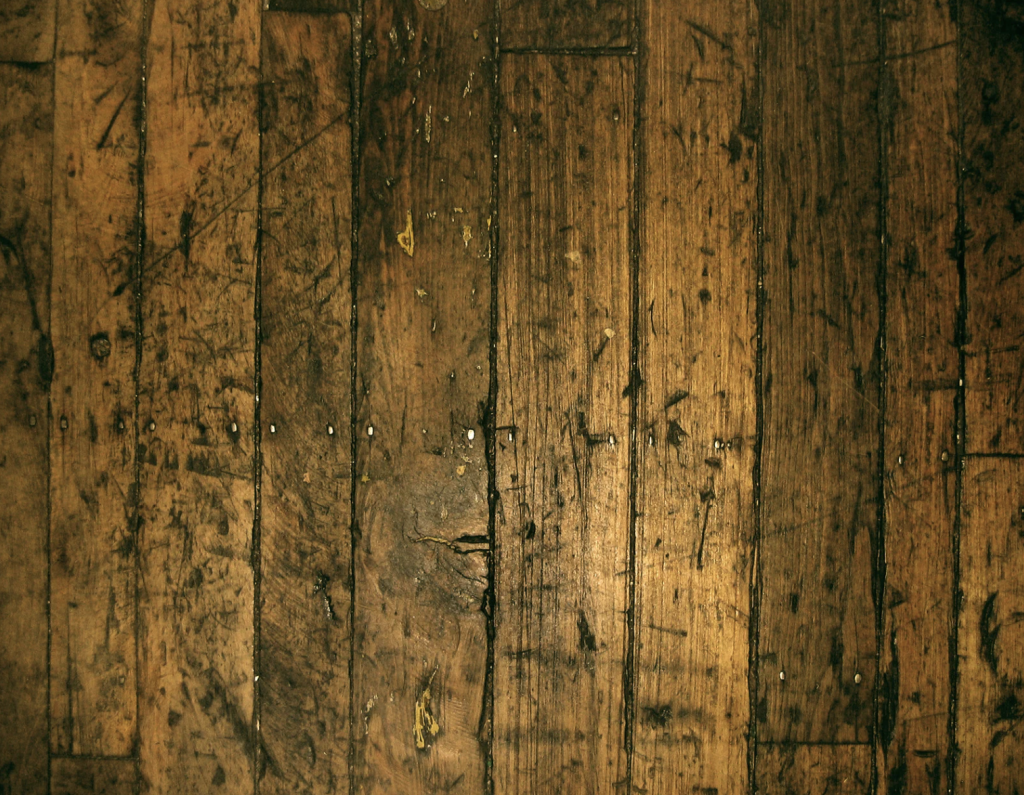
- The damage is surface-level (scratches, finish wear, light dents)
- Movement is caused by old fixings, not board failure
- Gaps can be filled and edges are still straight
- You’re looking to unify a space with consistent sanding and sealing
Modern floor restoration techniques let us remove years of wear without replacing the timber. Even unevenness can often be solved with precision sanding.
Table: Replace or Restore?
Problem |
Replace or Restore? |
Notes |
| Deep split down the board | Replace | Too unstable for safe use |
| Small gouges or dents | Restore | Can be filled and sanded |
| Creaking floorboards | Restore (check fixings) | Often caused by loose nail or screw connections |
| Water-damaged ends | Replace just affected area | Use matching kiln dried wood for stability |
| Gaps between boards | Restore with fillers or slivers | Common in wooden floorboards after shrinkage |
Why the replacement process requires precision
When we do install replacement boards, our goal is always seamless integration, and that requires more than just cutting to size.
1. Source & Match Timber
We may select kiln dried boards to avoid movement after installation. Species, grain and colour must match, especially on oak or older timber flooring.
2. Undercut & Fit
In period properties, we often have to undercut skirting or remove old fastenings without damaging adjacent boards. Restoration experience matters here.
3. Install with the Right Fixing
We decide whether to nail or screw based on subfloor, acoustic needs, and the flooring type. Plugged screws are often used for stability and easy removal later.
4. Level, Sand, and Finish
Once laid, new boards are blended into the floor with dust-free sanding and high-quality sealing, so you’d never know they weren’t original.
Why restoring floorboards is often the smarter move
Restoring floorboards instead of replacing them preserves the character of your home, especially when you’re dealing with original Victorian or Edwardian timber.
It’s also:
- Faster and less disruptive – no ripping up flooring
- More sustainable – fewer materials and landfill waste
- Cost-effective – lower material and labour costs
- Better for aesthetics – original grain and patina stay intact
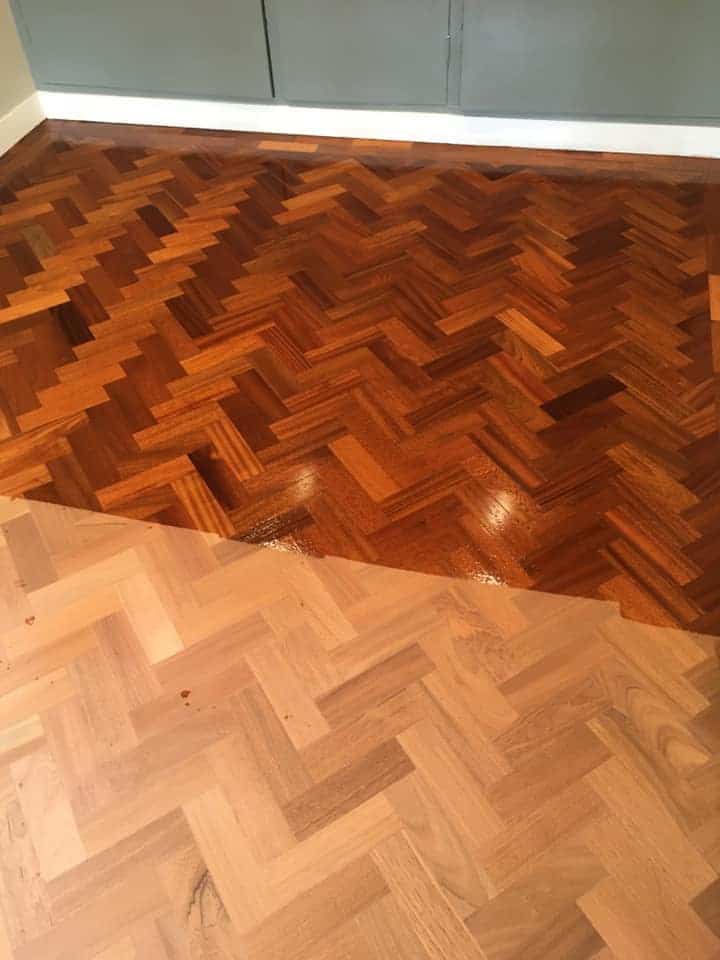
And when restoration includes gap filling, sanding and sealing, most people can’t tell the difference between restored and brand-new floors.
Why Sussex Floor Restoration?
- Specialists in blending new boards with old timber
- Decades of experience with domestic and heritage floors
- Honest assessments and sustainable solutions
- Dust-free sanding and premium finishes
- Work done by trained experts
Whether it’s a full floor replacement or just a few strategic repairs, we treat every board like it matters, because it does.
Ready to find out what your floor really needs?
Not sure whether you need replacement floorboards or whether restoring floorboards will do the job? We’ll assess your floor and explain every option clearly, so you can make the right call for your space, your budget and your home.
Call us on 01444 810505, or visit our Floor Restoration page.
Looking for another insightful blog? You should read our recent post on Squeaky Floor Repair and Wooden Floor Gap Filling.
FAQs
When should you replace floorboards instead of restoring them?
You should replace floorboards if they’re split, rotten, warped, or over-sanded. Restoration works best when boards are structurally sound but show surface wear, movement or cosmetic damage. A professional assessment can confirm the best approach.
Can you mix replacement floorboards with original ones?
Yes, replacement floorboards can be matched to original boards in size, grain, and species. When installed and sanded properly, new boards blend seamlessly with existing wood flooring, especially after full-room refinishing.
Is restoring floorboards more sustainable than replacing them?
Restoring floorboards is more sustainable because it reduces material waste and avoids landfill. It also keeps original timber in use, especially in heritage homes, and typically uses fewer resources than full board replacement.
How do you know if your floorboards are too thin to restore?
You can tell your floorboards are too thin if the tongue is exposed, edges are crumbling, or there’s noticeable flex underfoot. A specialist can measure remaining thickness and recommend whether restoration is still safe.
What’s the best way to fill gaps between wooden floorboards?
The best method depends on the size and movement of the gaps. Resin and dust mixes work well for small, stable joints, while timber slivers are ideal for wider gaps in period homes. Flexible filler may be used near heat sources.
Can I replace just a few floorboards instead of the whole floor?
Yes, if only a few boards are damaged, they can be individually replaced. Matching the grain, size, and species is key, and professional sanding helps blend the new boards seamlessly with the old.
What’s the most common cause of floorboard damage?
Moisture is the biggest culprit — from leaks, poor ventilation, or fluctuating humidity. Over time, this causes warping, movement, or even rot. Scratches and wear from foot traffic are also common but usually repairable.
Does replacing floorboards always involve sanding the whole floor?
Not always, but it’s recommended. Sanding the entire floor ensures a consistent finish and blends new boards with old. Spot-sanding can leave visible edges or colour differences if not done carefully.
How long does floorboard restoration take?
Most domestic rooms can be repaired, sanded, and refinished in 1–2 days. The timeline depends on the extent of the damage, the number of replacements needed, and the drying time for your chosen finish.
Will restored floorboards look brand new?
They’ll look beautifully refreshed, but still retain the character of the original timber. With proper sanding and finishing, most people can’t tell the difference between restored and new wood flooring.