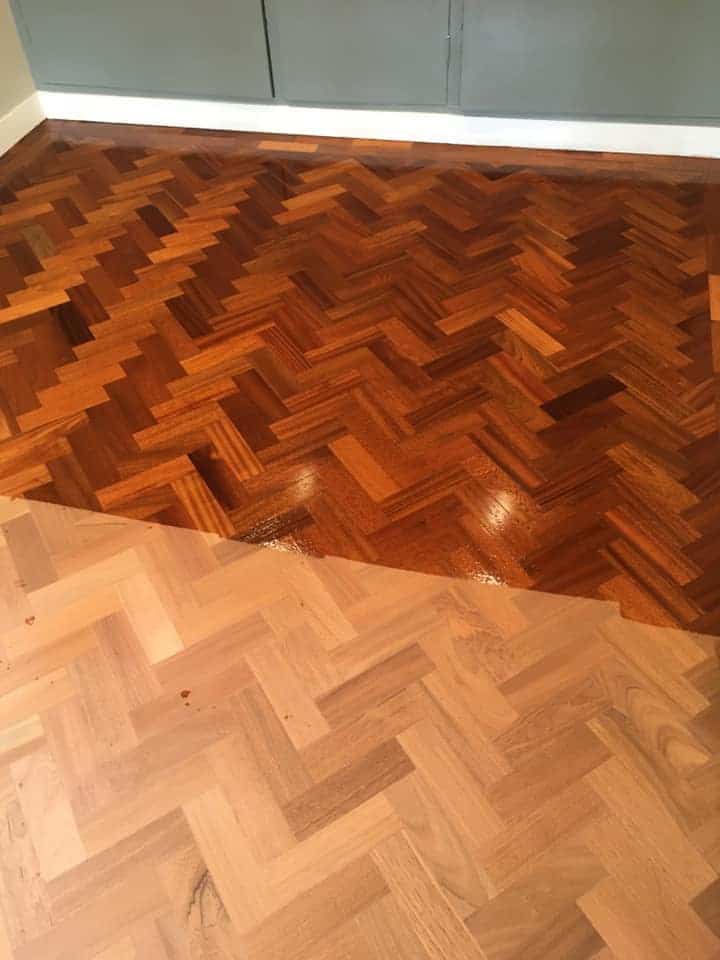
Limestone floor restoration and stone restoration require a more careful approach than many people realise, because limestone is a calcium-based material that reacts quickly to the wrong cleaner, the wrong finish choice, and the wrong renovation method. Sussex Floor Restoration restores stone and tiled floors in domestic and commercial spaces, inside and outside, with a bespoke process and a free survey and quote.
Quick Answers About Limestone Floor Restoration
- Limestone is a natural stone, but it is softer and more chemically sensitive than many people expect.
- A dull floor is often a mix of wear and tear, old residue, and light etching, not just surface dirt.
- Effective stone restoration usually means a proper deep clean, surface refinement, then sealing for long term protection.
- The right finish depends on the room, the traffic, and how the floor is used day to day.
- Neutral cleaners are the safe baseline for regular maintenance because acidic products can etch limestone and damage sealers.
Why Limestone Needs A Different Restoration Plan
Limestone often looks forgiving until the light changes. In daylight, a floor may seem simply “tired”. At night, under downlights or across a threshold, the true picture appears: dull walk lanes, patchy reflection, edge wear, and marks that mopping never seems to shift.
That happens because limestone is porous and relatively reactive. It absorbs spills more readily than denser stone, and it can be dulled by the wrong cleaning products or aggressive cleaning agents. The result is a floor that can look flat, blotchy, or permanently dirty, even when it has been cleaned regularly.
How Experts Read The “Wear Map” In Limestone
A well-restored floor starts with understanding where the damage actually lives. We do not treat the whole room as if it has worn evenly, because it never has.
Typical high-wear zones include:
- Thresholds and entrances where grit is dragged in
- Kitchen routes between sink, hob, and fridge
- Dining chair zones where repeated movement creates haze
- Hallway walk lines where the finish dulls faster than the edges
- Moisture-prone areas where failed sealing leaves darker patches
Key takeaway: limestone usually needs a zone-based plan, not a one-speed clean.
Why Limestone Responds Differently to Cleaning and Wear
Limestone is one of the stone types where chemistry matters just as much as abrasion. A cleaner that seems harmless on ceramic tile can cause visible etching on limestone tiles.
What Makes Acid Damage Look Worse Than Dirt
Acid damage often looks like a dirty patch, but it is actually a changed surface texture. The light reflects differently, which is why the floor can still look dull after a basic wash. The Natural Stone Institute advises cleaning stone with a neutral cleaner, stone soap, or mild detergent and warm water, which is exactly why we avoid acidic shortcuts when restoring limestone.
Our Limestone Floor Restoration Process
We treat limestone as a material that needs restraint and control. Chasing quick shine is how floors end up patchy. Our restoration service focuses on resetting the surface properly, then protecting it.
- Identify The Floor And Previous Treatments
We assess the visible condition, likely stone type, and whether previous sealers or coatings are affecting the finish. Some issues only become obvious once old residue is removed.
- Deep Clean The Contaminant Layer
A real deep clean removes detergent film, trapped grime, grease, and ingrained dirt that ordinary mopping leaves behind. This is where many “permanently dull” floors begin to improve.
- Refine The Stone Surface
Rather than simply “polishing harder”, limestone often responds better to controlled honing. That resets the top layer of the stone surface and removes light etching and uneven wear.
- Carry Out Targeted Stone Repairs
Where needed, we handle small chips, weak grout edges, or localised defects that would otherwise interrupt the final look. Our service includes stone repairs where they materially improve durability or appearance. This is done selectively, not as unnecessary add-ons.
- Seal For Long Term Protection
Once the floor is clean and the surface is even, we apply the right sealer for the room and the finish level required. This helps protect the floor from spills and slows future staining. Sussex Floor Restoration specifically notes that its team can help protect floors from spills or damage.
Table: How Limestone Restoration Changes By Environment
Where Limestone Overlaps With General Stone Restoration
This is still stone restoration, so the broad principles are familiar: remove contamination, correct the worn surface, then protect it. That overlap matters, because Sussex Floor Restoration works across limestone, sandstone, flagstone, travertine, marble, granite, and more, as well as tiled surfaces such as ceramic, porcelain, encaustic, and Victorian tiles.
The difference is that limestone needs a gentler chemical mindset. Strong supermarket sprays, acidic bathroom products, and random DIY mixes can make a limestone floor harder to restore, not easier. Neutral products and the right cleaning solution protect both the stone and the sealer.
What We Recommend For Regular Maintenance
Once a limestone floor has been professionally restored, the goal is to keep it stable, not constantly “boost” it.
For sensible regular maintenance:
- Vacuum or dry mop often to remove grit
- Use a neutral cleaner and warm water
- Blot spills early rather than letting them sit
- Avoid acidic and harsh household cleaning products
- Book periodic professional cleaning and restoration before the floor looks heavily worn
This is the simplest way to protect the investment and keep the floor looking consistent long term.
Book Expert Limestone Floor Restoration
If your limestone tiles look dull, patchy, sticky, or harder to clean than they should, it is time for a professional look. Sussex Floor Restoration provides an honest, friendly, thorough service across a wide variety of stone surfaces, with bespoke methods suited to the floor in front of us.
Visit our Stone Floor Restoration page or call 01444 810505 to book your survey and get the right plan for your floor.
If you found this useful, you might also like our latest blog: Terrazzo Floor Polishing vs. Stone Floor Restoration!
FAQs
What is limestone floor restoration?
Limestone floor restoration is the process of deep cleaning, refining the stone surface, carrying out targeted repairs where needed, and sealing the floor to improve appearance and protect it long term. It goes beyond basic cleaning and is designed to deal with wear, dullness, and ingrained contamination.
How do you restore a limestone floor properly?
A proper limestone floor restoration usually starts with a deep clean to remove residue, grease, and ingrained dirt. The surface is then refined to reduce wear and light etching, followed by sealing to help protect the floor from future staining and everyday use.
Why does my limestone floor still look dull after cleaning?
A limestone floor can still look dull after cleaning if the issue is etched stone, worn sealer, or cleaner residue rather than surface dirt. In many cases, the stone surface needs professional refinement, not just more washing.
Can acidic cleaners damage limestone tiles?
Yes, acidic cleaners can damage limestone tiles because limestone is calcium-based and reacts to acid. This can leave the surface dull, patchy, or etched. Neutral stone-safe cleaning products are the safer option for regular maintenance.
Do limestone floors need sealing after restoration?
Yes, sealing is usually a key part of limestone floor restoration. It helps reduce staining, slows dirt absorption, and makes the floor easier to maintain. The right sealer also helps protect the finish for longer in high-use areas.
How often should limestone floor tiles be professionally restored?
That depends on traffic, environment, and maintenance, but many limestone floors benefit from professional restoration every 1 to 3 years. Busy kitchens, hallways, and entrances may need attention sooner because wear and contamination build up faster.
What is the best cleaner for limestone floors?
The best cleaner for limestone floors is a pH-neutral product made for natural stone. Avoid harsh supermarket sprays, acidic cleaners, and bleach-based products, as these can damage the stone surface or strip away sealers.
Can you remove stains from limestone during restoration?
Often, yes. Many stains can be reduced or removed during limestone floor restoration, especially if they are recent or surface-level. Some deeper stains may have penetrated the stone and can be harder to remove fully, but restoration still improves the overall appearance.
What’s the difference between cleaning and limestone floor restoration?
Cleaning removes surface dirt and product residue. Limestone floor restoration goes further by correcting wear, reducing dullness, refining the surface, and sealing the floor. It is a full reset rather than a maintenance clean.
Is limestone floor restoration worth it compared to replacing the floor?
In many cases, yes. Limestone floor restoration is usually more cost-effective than replacement and preserves the original natural stone. If the tiles are structurally sound, restoration can dramatically improve how the floor looks and performs without the disruption of replacement.
Updated March 2026