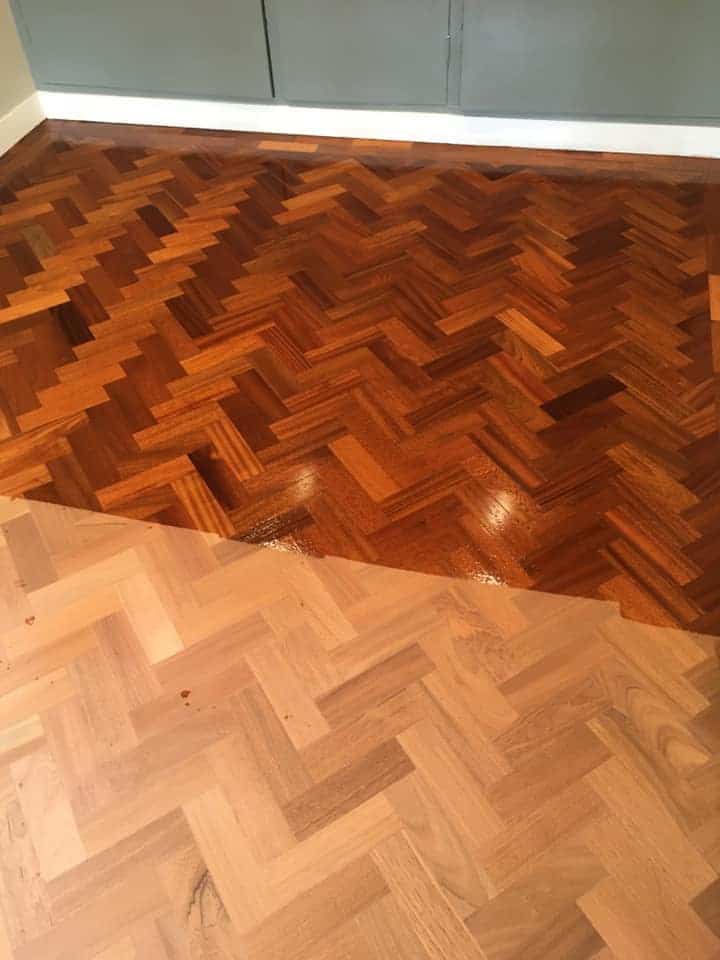
Timber floor restoration and finding the right floorboard repair near me service are usually part of the same decision, because a floor only looks right once the structure, the surface, and the finish are working together. A well-used timber floor can look sound at first glance, yet still suffer from movement, uneven wear, dull walk lines, tired coatings, and local damage that only becomes obvious once renovation begins.
That is why the best results come from a planned process, not a rushed sand and seal. Sussex Floor Restoration treats timber floors as a system, with the board type, the finish, the room, and the purpose of the space all affecting the right route forward.
Quick Answers About Timber Floor Restoration
- Timber floors wear in zones, not evenly, so walk lines and thresholds often need more attention than the edges.
- The right method depends on whether you have solid wood, engineered wood flooring, or older mixed boards.
- The finish choice should match the room, the traffic, and how you want the floor to look and feel day to day.
- A good result is built through controlled sanding, careful finishing, and realistic aftercare, not just one pass with a floor sander.
What Timber Floors Commonly Struggle With
Timber floors age according to use. A lounge may wear differently from a hallway, and a kitchen route will behave differently again because foot traffic, cleaning habits, and moisture are all higher.
Common issues we see in wooden floor renovation work include:
- Dull traffic lanes caused by repeated wear and tear
- Localised scratches and dents near chairs and thresholds
- Slight movement at board edges
- Patchy old finishes from years of top-up coatings
- Darker areas where dirt has built into open grain or worn finish
- Damaged boards that interrupt the look of the floor, even if the rest is still usable
The visible problem is often only half the story. A floor can look “just scratched” but actually need a different sanding route, a lighter touch, or a finish change to stop the same issue coming back.
How Experts Read The Wear Map Before Work Starts
The biggest difference between average sanding and professional timber floor restoration is that specialists read the room first. We do not assume the same approach suits every board in every area.
Where Wear Builds Up Fastest
Some parts of a floor always carry more stress than others.
Walk Lines, Thresholds, And Pinch Points
Walk lines between a doorway and a sofa, or between a sink and a fridge, usually show the first signs of wear. Thresholds take grit. Pinch points take repeated turns, which changes the finish faster than the rest of the room. That is why a floor can look patchy even when it has only one visible scratch.
This is also where floorboard repair near me searches often come from, because people notice noise, movement, or surface wear in these concentrated zones first.
Why Board Type Changes The Plan
A hardwood flooring renovation is not handled the same way as a modern engineered floor.
- Solid wood usually gives more scope for sanding and floor staining
- Engineered woodflooring often needs a more controlled cut because the top layer can be thinner
- Mixed older boards may need a blend-first approach so the finish reads evenly across the whole room
- Floors with older repairs may need the sanding route adjusted to stop old patch work telegraphing through the new finish
Key takeaway: the method should meet your specific floor, not the other way round.
The Restoration Process We Use
Sussex Floor Restoration keeps the client journey simple: an enquiry, a quote and survey, the works, then aftercare. The process page explains that the team first scopes the job, then assesses damage, damp, and technical requirements during the quote and survey stage, before sanding the existing flooring, applying the chosen finish, and providing aftercare guidance once the work is complete.
Here is how that works in practical terms:
- Enquiry And Scope
You explain the floor type, the room use, and the main issues you can see.
- Quote And Survey
The floor is assessed based on visible condition and likely requirements. Some things only become clear once old coatings are removed, so recommendations stay practical and flexible.
- The Works
We sand the surface to create an even base, carry out agreed repairs where they materially improve the result, and then move into sanding and finishing. Our process page also notes that gap filling may be done depending on the service, not as a blanket default.
- Aftercare
Once complete, aftercare guidance helps protect the result and extend performance. Sussex Floor Restoration specifically notes that aftercare support is part of the job, with guidance provided once the work is finished.
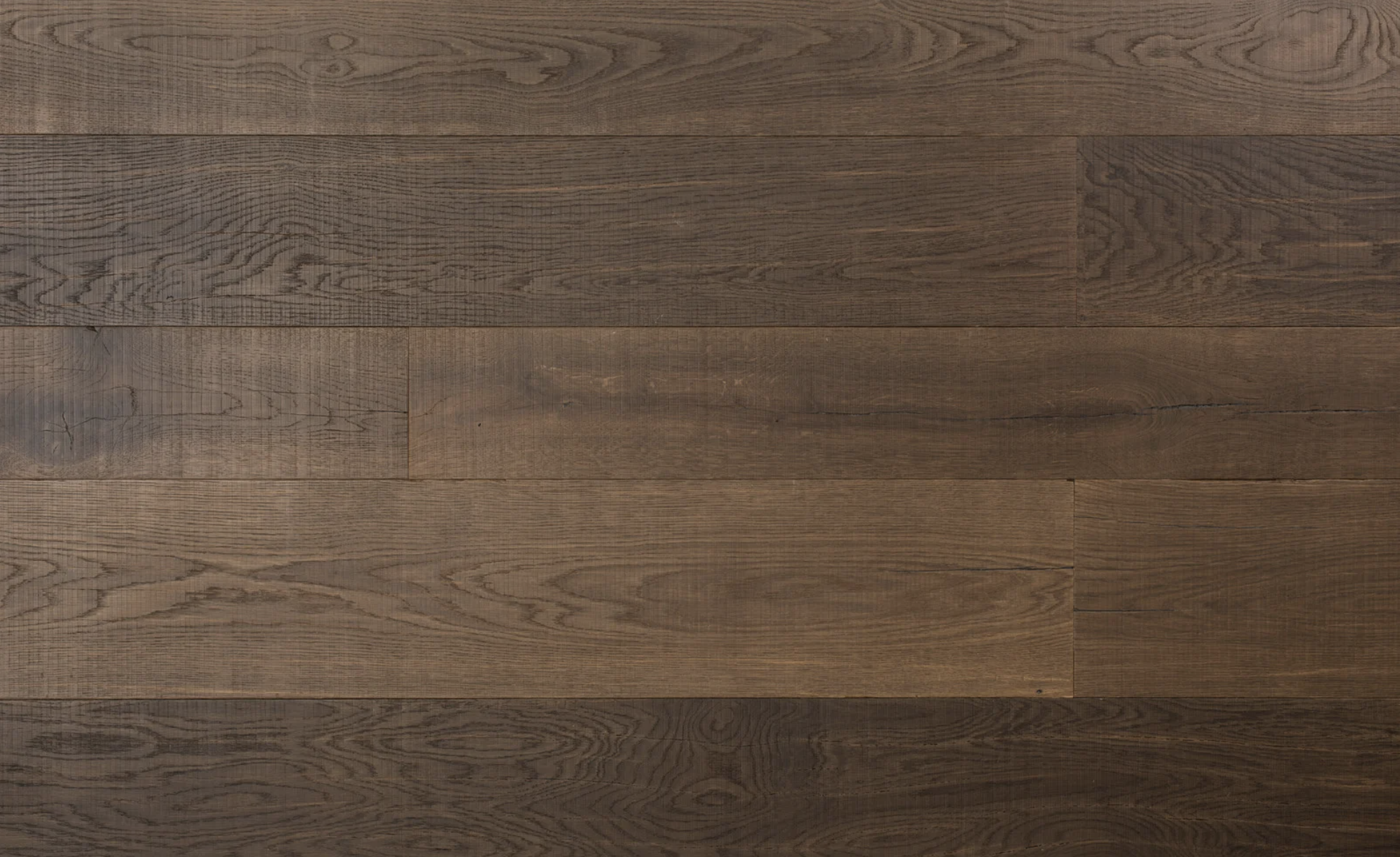
Table: How Timber Floor Restoration Changes By Floor Type
What We Repair, And What Can Stay Optional
Not every floor needs every extra. Some customers want a full restoration service, some want the biggest visible improvement without adding small remedial work that is not essential.
We may recommend:
- Re-securing boards where movement affects the final result
- Selective gap filling where it improves appearance or reduces dirt traps
- Local blending where older repairs are obvious
We do not treat all cosmetic detail as mandatory. The right job is the one that fits the floor, the room, and the budget while still delivering a high standard result.
Why The Finish Choice Matters As Much As The Sand
A timber floor should not be finished the same way in every room. A family hallway, a quieter bedroom, and a rental property all need different priorities.
A good finish choice helps you:
- Deliver high quality appearance under different lighting
- Make cleaning easier
- Reduce visible traffic wear
- Match the room’s purpose
- Protect the work long term
That is where professional wood floor restoration shows its value. It is not just about making the floor look better on the day. It is about choosing a finish that keeps working.
Book Timber Floor Restoration With Sussex Floor Restoration
If your timber floor is looking tired, uneven, or harder to maintain than it should be, Sussex Floor Restoration can help you choose the right route, from selective repair to full renovation. The company’s process is built around enquiry, quote and survey, the works, and aftercare, so you know what happens next before the job begins.
Visit our Restoration Process pageor call 01444 810505 to learn more!
If you found this useful, you might also like our latest blog: Hardwood Floor Refinishing – Wood Floor Repair.
FAQs
What is timber floor restoration?
Timber floor restoration is the process of improving the condition, appearance, and performance of a timber floor through cleaning, sanding, selective repairs where needed, and applying a new finish. It is designed to deal with wear, patchy coatings, local damage, and general age-related decline.
How do I know if my timber floor needs restoring?
If your floor looks dull in walkways, has visible scratches, feels harder to clean, or has patchy colour, it may be time for restoration. Movement, local damage, and worn finishes are also common signs that the floor would benefit from professional attention.
What is included in professional timber floor restoration?
Professional timber floor restoration usually includes assessment, sanding, agreed repairs where needed, finishing, and aftercare guidance. Some floors also benefit from optional extras like gap filling or floor staining, depending on the condition of the floor and the client’s priorities.
How long does timber floor restoration take?
Most residential timber floor restoration projects take 1 to 3 days, depending on room size, floor condition, and the finish chosen. Larger areas or floors with more visible wear and tear may take longer.
Can engineered wood flooring be restored like solid wood?
Sometimes, yes. Engineered wood flooring can often be restored, but the sanding approach must be more controlled because the top wear layer can be thinner than solid wood. The right method depends on the floor’s construction and condition.
Is dust free floor sanding really possible?
Professional sanding can be dust-controlled, which reduces dust significantly compared with older methods. It is not truly zero dust, but modern extraction systems make the process cleaner and help protect the finish during coating.
How much does floorboard repair near me usually cost?
The cost depends on how many boards need attention, the type of repair, and whether it is part of wider floor restoration. Minor local repairs are usually less expensive than structural or large-area work, so a quote and survey is the best way to price it properly.
Should I choose floor staining during timber floor restoration?
Floor staining can be a good option if you want to change the overall tone of the floor or even out colour after sanding. It is not essential on every job, but it can work well where the client wants a more defined final look.
How do I maintain a timber floor after restoration?
Vacuum regularly with a soft head, use a suitable cleaner for the finish, and avoid excess water. Felt pads under furniture and entrance mats also help reduce future wear and tear, keeping the floor looking better for longer.
Updated March 2026