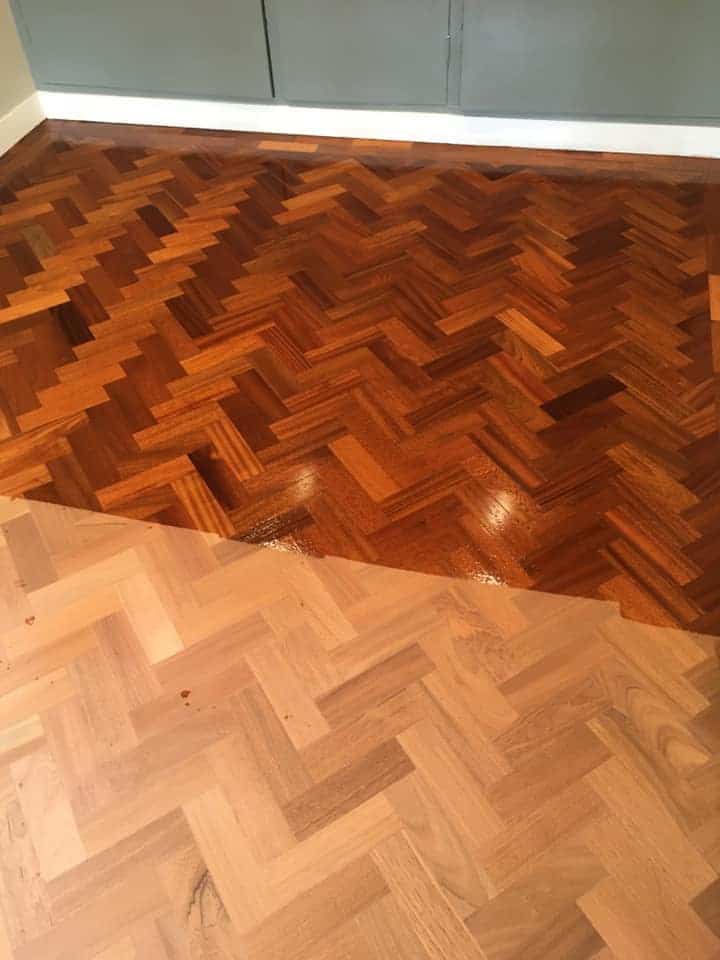
How to restore stone floors properly is one of the most common questions we hear, and good stone floor restoration nearly always starts with understanding what the floor is made from, what has been put on it over the years and what kind of wear it has actually picked up. A natural stone floor can often be brought back beautifully, but the right process matters far more than a quick clean or a fresh coat of product.
Quick Summary
Stone floor restoration is not just about making the surface look shinier. It usually involves identifying the stone, removing old sealers or residues, cleaning deeply, correcting surface wear and choosing the right finish for the way the floor is used. Limestone, marble, slate, terrazzo and Victorian tile all behave differently, so the best results come from matching the process to the material rather than treating every floor the same.
Why Do Stone Floors Start To Look Tired?
Stone floors usually lose their appeal gradually. It is not always one dramatic issue. More often, it is years of foot traffic, ingrained dirt, old floor polishes, moisture around entrances, kitchen residue and the wrong cleaning products building up over time.
That is why a floor can look flat, patchy or grubby even when the stone itself is still in decent condition. We see this a lot with a limestone floor that has dulled down, a marble floor with etched patches, a slate floor holding on to residue in its texture, or a terrazzo floor that has simply lost clarity through wear.
In older properties, Victorian tile and travertine tile can be especially deceptive. They often look beyond saving until the old coatings are removed and the original character starts to come back through.
How To Restore Stone Floors Properly
Stone floor restoration works best when it is treated as a process, not a single product or one quick visit. In our experience, it usually comes down to five main stages:
- Identify the stone and its condition.
Different stone surfaces respond differently to cleaning, abrasion and sealing. - Strip out old residues.
Old sealers, waxes and floor polishes can trap dirt and make the finish look uneven. - Deep clean the floor.
Proper floor cleaning and restoration starts with getting contamination out of the surface and joints. - Refine or repair the finish.
This may involve honing, polishing or stain reduction. - Seal the floor correctly.x`
The final finish should suit the stone, the room and the level of traffic it deals with.
Why Does The Process Change By Material?
A natural stone floor is not one category in practical terms. Each material has its own character, porosity and tolerance.
| Floor Type | Common Problem | Typical Restoration Focus |
| Limestone floor | Dulling, staining, etched areas | Careful cleaning, honing, suitable sealing |
| Marble floor | Etching, scratching, loss of shine | Refinement and controlled polishing |
| Travertine tile | Surface voids, grime, patchy finish | Cleaning, filling where needed, sealing |
| Slate floor | Embedded dirt, residue, uneven sheen | Deep cleaning and finish correction |
| Terrazzo floor | Wear, flat appearance, surface marks | Grinding or polishing depending on condition |
| Victorian tile | Old coatings, discolouration, tired joints | Coating removal, sensitive cleaning, sealing |
What Do We Check Before Choosing A Finish?
The Finish Has To Match Real Use, Not Just Appearance
Before any sealer goes down, we look at how the floor is actually used. That includes:
- whether it is in a hallway, kitchen, commercial entrance or quieter room
- how much moisture or dirt is likely to be brought in
- whether the client wants a more natural finish or something richer in tone
- how practical that finish will be to maintain long term
That is where a lot of DIY attempts go wrong. A finish can look great on day one but be completely wrong for the setting.
What Usually Goes Wrong With Stone Floor Restoration?
A lot of problems come from good intentions mixed with the wrong products or shortcuts. We often see floors that have been made harder to restore because somebody has tried to improve the look without dealing with the root cause.
Common mistakes include:
- using strong chemicals without knowing how the stone will react
- layering new product over old residue
- choosing shine over practicality
- using generic cleaners on specialist materials
- assuming every stone floor should be polished
This is especially important with stone surfaces that are naturally more porous or textured. Not every limestone floor wants a glossy finish, and not every slate floor should be darkened down with heavy product.
When Is Professional Stone Floor Restoration Worth It?
If the floor has deep staining, ingrained residue, visible wear patterns or an inconsistent finish, professional stone floor restoration is usually the better route. The same applies if the floor is valuable, older, part of a period property or made from a material that can be easily marked by the wrong treatment.
The reason is simple. Restoring stone well is not about throwing product at it. It is about reading the floor properly and knowing when to clean, when to refine, when to seal and when to leave the character alone.
That is very often the difference between a floor that looks artificially coated and one that genuinely feels brought back to life. At Sussex Floor Restoration, that is the part we care about most. A good result should suit the building, suit the stone and still make sense months later, not just on the day the work is finished.
How To Restore Stone Floors Without Guesswork
How to restore stone floors comes down to using the right method for the right material, not chasing a one-size-fits-all fix. Good stone floor restoration respects what is already there, removes what should not be there and brings the floor back in a way that still feels natural to the property.
If you found this interesting, you may also like: Terrazzo Floor Polishing vs. Stone Floor Restoration
Or, to find out more about our services and to discuss how we could help with your next flooring project, call us on 01444 810505.
Frequently Asked Questions About Stone Floor Restoration
How do you restore old stone floors?
Old stone floors are usually restored by identifying the material first, removing old sealers or residues, deep cleaning the surface, correcting wear where needed and then applying a suitable sealer. The exact process depends on whether the floor is limestone, marble, slate, terrazzo, travertine or Victorian tile.
Can stone floors be restored instead of replaced?
Yes, many stone floors can be restored instead of replaced. If the stone is structurally sound, professional restoration can often remove years of dirt, dullness, staining and worn finishes while keeping the original floor in place.
What is stone floor restoration?
Stone floor restoration is the process of bringing a worn or tired stone floor back into better condition. This can include deep cleaning, stripping old coatings, honing, polishing, repairing damaged areas and sealing the floor to protect it properly.
How much does stone floor restoration cost?
The cost of stone floor restoration depends on the type of stone, the condition of the floor, the size of the area and the amount of work needed. A lightly dulled floor will usually need less work than a heavily stained or coated floor with years of wear.
How long does it take to restore a stone floor?
Stone floor restoration can take anywhere from a single day to several days depending on the floor size, the material and the condition. Larger areas or floors with heavy residue, damage or multiple treatment stages will usually take longer.
What is the best way to clean a natural stone floor?
The best way to clean a natural stone floor is to use a pH-appropriate cleaner made for stone and avoid harsh chemical products. Regular sweeping and gentle cleaning help prevent residue build-up, but deeper issues often need professional treatment.
Can you polish a stone floor at home?
Some light polishing products are available for home use, but polishing a stone floor properly is not always straightforward. Many floors look worse when the wrong product is used, especially if dirt, old sealers or etching have not been dealt with first.
What causes a stone floor to look dull?
A stone floor can look dull because of foot traffic, ingrained dirt, worn sealers, old floor polishes, moisture, residue from cleaning products or surface etching. In many cases, the stone itself is not ruined, but the surface needs proper restoration.
Do all stone floors need sealing after restoration?
Not every stone floor needs the same type of sealer, but many do benefit from sealing after restoration. The right sealer helps protect the surface, reduce staining and make maintenance easier, though the finish should always match the type of stone and how the floor is used.
Which types of stone floors can be restored?
Most common stone floors can be restored, including limestone, marble, slate, travertine, terrazzo and Victorian tile. The success of the restoration depends on the floor’s condition, previous treatments and whether the correct process is used for that specific material.
Updated April 2026