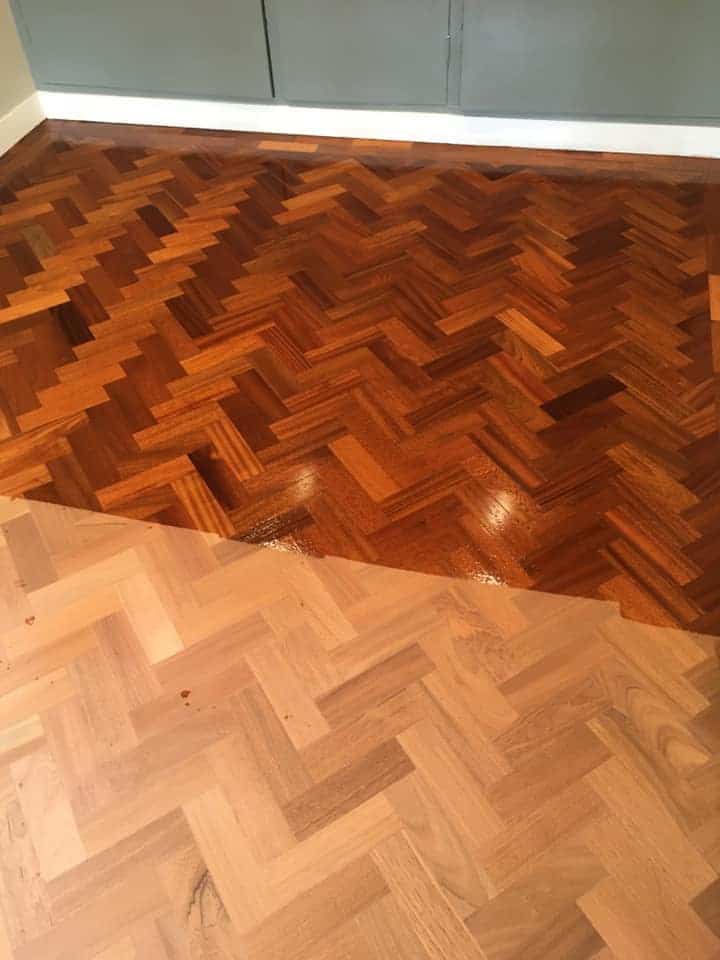
Commercial wood flooring appears in far more places than people realise. From hotels, schools and pubs to theatres, museums, cafés and office spaces; real wood floors remain one of the most durable and visually appealing flooring options available for high-use environments.
Choosing the right floor is not just about appearance, though. Commercial spaces need flooring that can withstand heavy traffic areas, cope with temperature changes, and remain stable over time without excessive movement that could otherwise cause boards to warp or shrink.
In this guide, we explain the main types of commercial wood flooring, where they work best, and how businesses can choose a floor that balances durability, appearance and long-term maintenance.
Quick Summary
Commercial wood flooring commonly falls into three main categories: engineered wood flooring, reclaimed wood flooring and solid wood flooring. Each offers different advantages depending on the building type, traffic levels and environmental conditions. Engineered wood flooring is often the most stable and compatible with underfloor heating, reclaimed wood flooring suits period properties needing character, and solid wood floors provide longevity when properly maintained. Choosing the right structure and installation method helps prevent movement, wear and long-term maintenance issues.
What Makes Commercial Wood Flooring Different?
A hotel corridor, pub or shop entrance may experience thousands of footsteps every day. That level of use requires flooring that is both structurally stable and capable of being restored when wear inevitably appears.
When selecting commercial wood flooring, several factors must be considered:
- Expected footfall in traffic areas
- Moisture and temperature fluctuations
- Whether the floor must be compatible with underfloor heating
- The thickness of the top layer or wear surface
- The ability to sand and restore the floor in future
Understanding these factors helps determine which wood construction will perform best in a specific environment.
Commercial Engineered Wood Flooring
Engineered wood flooring has become one of the most widely used options in commercial interiors. It combines the appearance of real wood floors with a structure designed to increase stability.
Engineered boards are made from multiple layers of timber bonded together, with a real wood veneer forming the visible surface. This top layer provides the natural appearance of hardwood while the internal layers help prevent excessive movement.
Why Engineered Floors Work Well in Commercial Spaces
Several features make engineered floors suitable for demanding environments:
- Stable layered construction that reduces movement
- A durable top layer capable of handling heavy foot traffic
- Installation methods that work well over large areas
- Often compatible with underfloor heating systems
- Can be sanded and restored, depending on top layer thickness
Because the boards resist expansion and contraction better than traditional solid wood floor planks, engineered wood performs well in spaces where temperature and humidity fluctuate.
How Engineered Flooring Is Constructed
The layered construction of engineered boards is what gives them their strength and stability.
| Layer | Purpose |
| Top layer (real wood veneer) | Provides the visible wood surface |
| Core layers | Stabilise the board and reduce movement |
| Base layer | Adds structural balance and strength |
The thickness of the top layer is particularly important in commercial environments. A thicker wear layer allows the floor to be sanded and restored multiple times during its lifespan.
Commercial Reclaimed Wood Flooring
Reclaimed wood flooring is created using timber recovered from older buildings such as warehouses, barns and historic properties.
For many commercial interiors, especially period venues like pubs, hotels and heritage buildings, reclaimed timber provides character that new flooring cannot replicate.
Every board carries marks from its previous life, which often adds authenticity and visual depth to the finished floor.
Where Reclaimed Flooring Works Best
Reclaimed timber is particularly suited to spaces where atmosphere and history matter. Common commercial settings include:
- Traditional pubs and bars
- Boutique hotels
- Historic venues
- Restaurants and cafés
- Converted industrial spaces
In these environments, installing brand new timber can look out of place. Reclaimed boards allow the building to retain its historic feel while still benefiting from a fully restored floor.
Sustainability Benefits
Using reclaimed materials also reduces demand for newly harvested timber. Many businesses choose reclaimed wood flooring because it combines:
- Environmental sustainability
- Unique visual character
- Compatibility with older architectural styles
However, reclaimed timber must be carefully prepared and installed to ensure structural reliability.
Why Preparation Matters
Old timber can contain hidden issues such as historic movement, embedded fixings or uneven wear. Proper grading, machining and installation ensure the boards perform reliably in modern commercial environments.
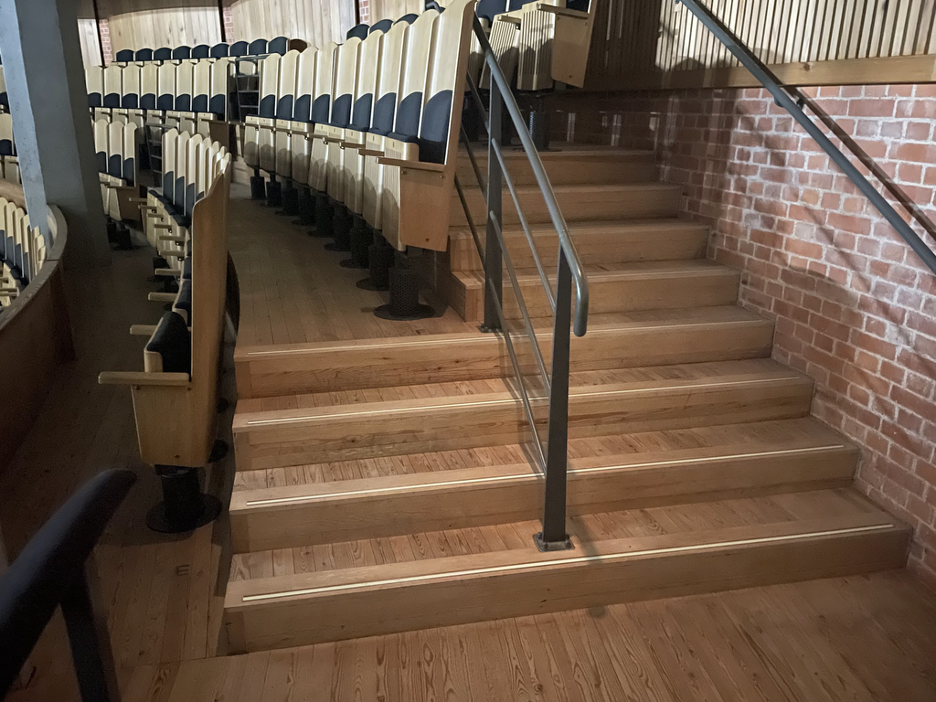
Solid Wood Flooring in Commercial Spaces
Traditional solid wood floor boards are still used in some commercial properties, particularly where maximum longevity is required.
Solid boards are made from a single piece of timber rather than layered construction. This allows the floor to be sanded and restored many times across its lifespan.
However, solid timber can be more sensitive to environmental changes. Temperature and moisture fluctuations can cause boards to expand, contract, warp or shrink if the environment is not well controlled.
For this reason, solid wood is usually installed in buildings where the internal climate remains relatively stable.
Comparing Commercial Wood Flooring Types
The three main types of wood flooring each offer advantages depending on the building and its usage.
| Flooring Type | Best For | Key Benefit |
| Engineered wood flooring | Hotels, offices, shops | Structural stability |
| Reclaimed wood flooring | Historic buildings, pubs | Character and sustainability |
| Solid wood flooring | Controlled environments | Long-term restoration potential |
Choosing the Right Wood Flooring for High Traffic Areas
Before installing any commercial wood floor, it helps to evaluate the practical conditions the floor will face.
Important questions include:
- How heavy is the daily foot traffic?
- Will furniture or equipment be moved frequently?
- Are there large temperature changes in the building?
- Is underfloor heating installed?
- Will the floor need periodic restoration?
In many modern commercial interiors, engineered boards offer the most reliable balance between durability, stability and restoration potential.
Professional Installation and Restoration Matters
Even the highest quality timber can fail if the installation or preparation is incorrect. Subfloor preparation, moisture control and correct fixing methods are all critical for long-term performance.
At Sussex Floor Restoration, we regularly restore and maintain commercial wood flooring across hotels, schools, restaurants and public venues throughout Sussex.
Many commercial floors can be restored rather than replaced, extending the life of the timber and preserving the character of the building.
Proper maintenance and periodic sanding allow real wood floors to remain functional and visually impressive for decades.
If you found this interesting, you may also like: How to Restore Timber Floors: Should You DIY Your Wood Floor Repairs? Or, to find out more about our services and to discuss how we could help with your next commercial flooring project, call us on 01444 810505.